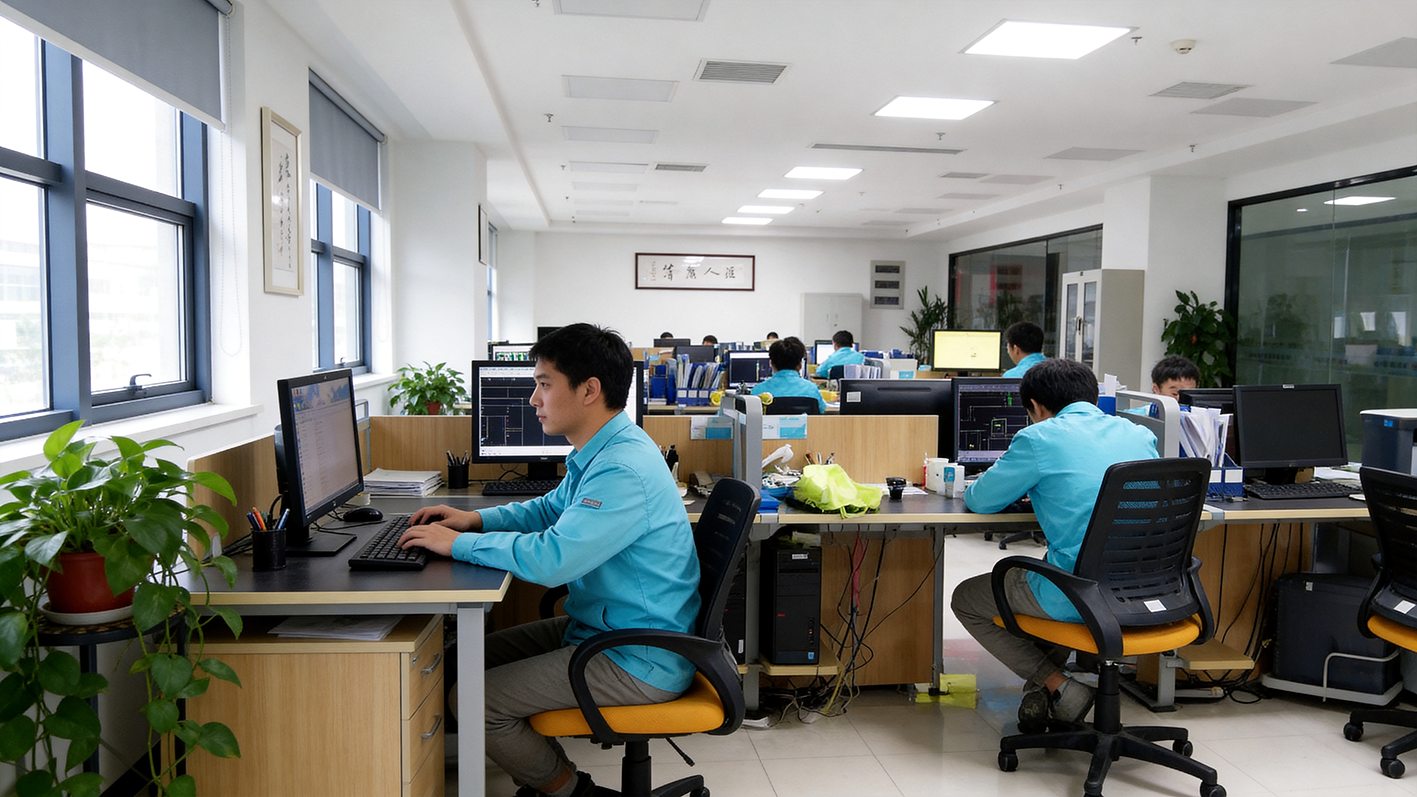
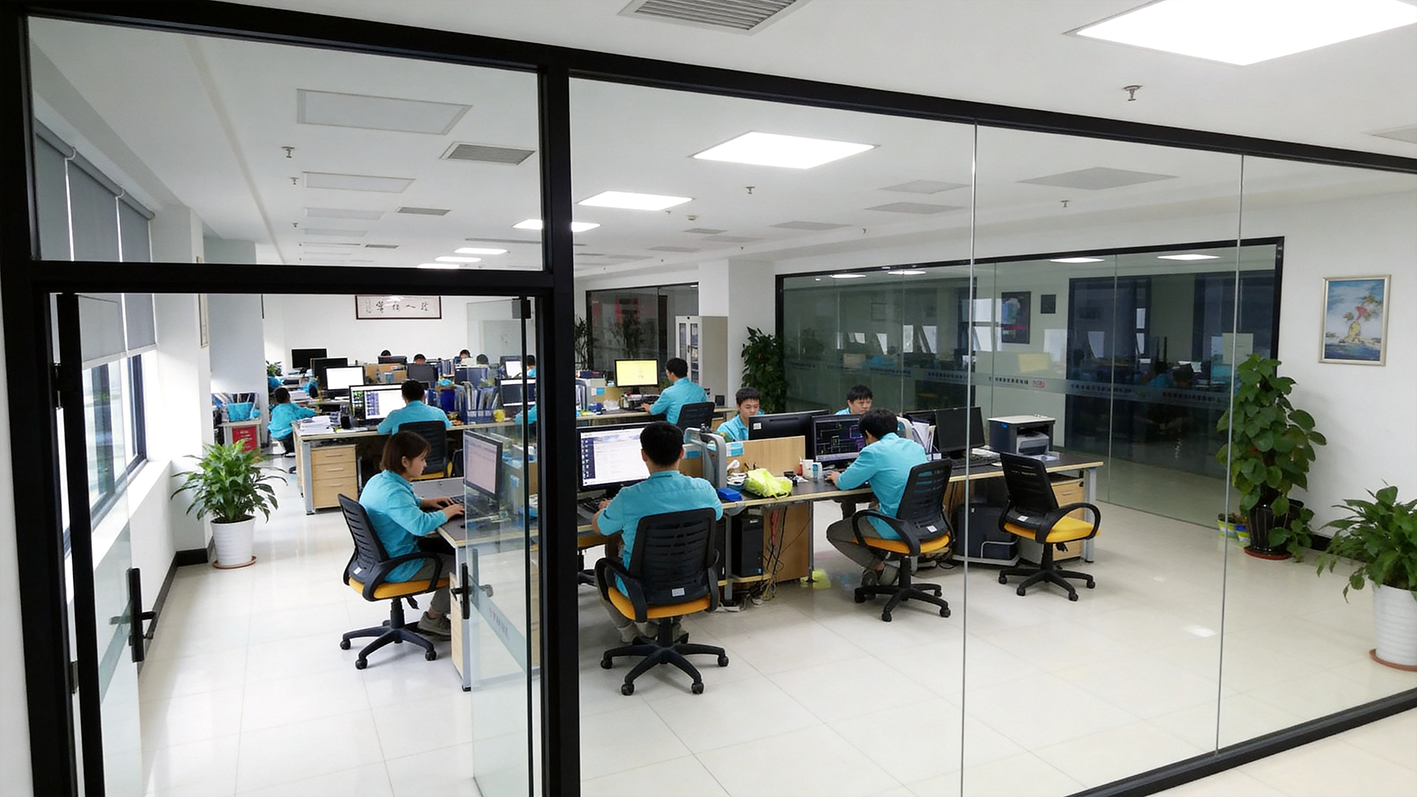
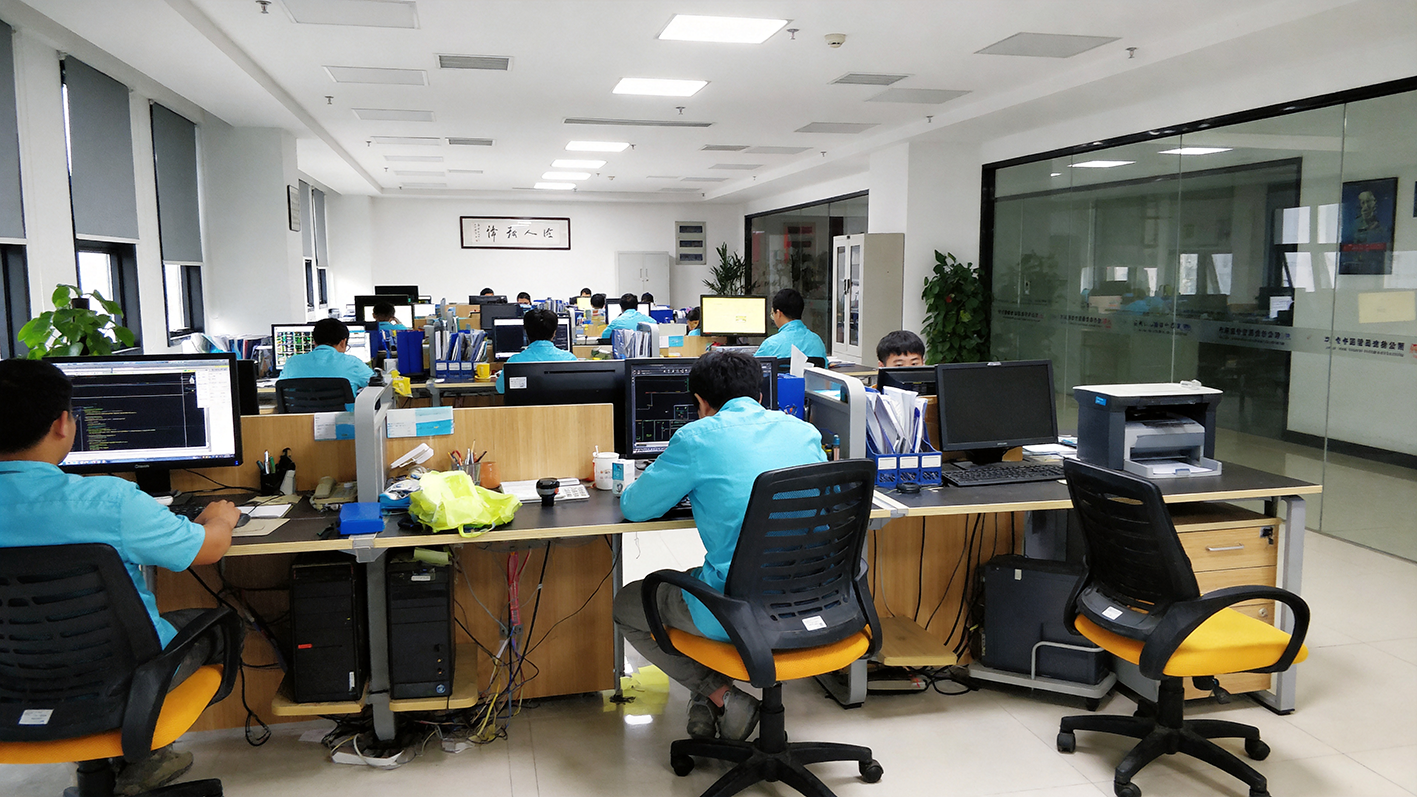
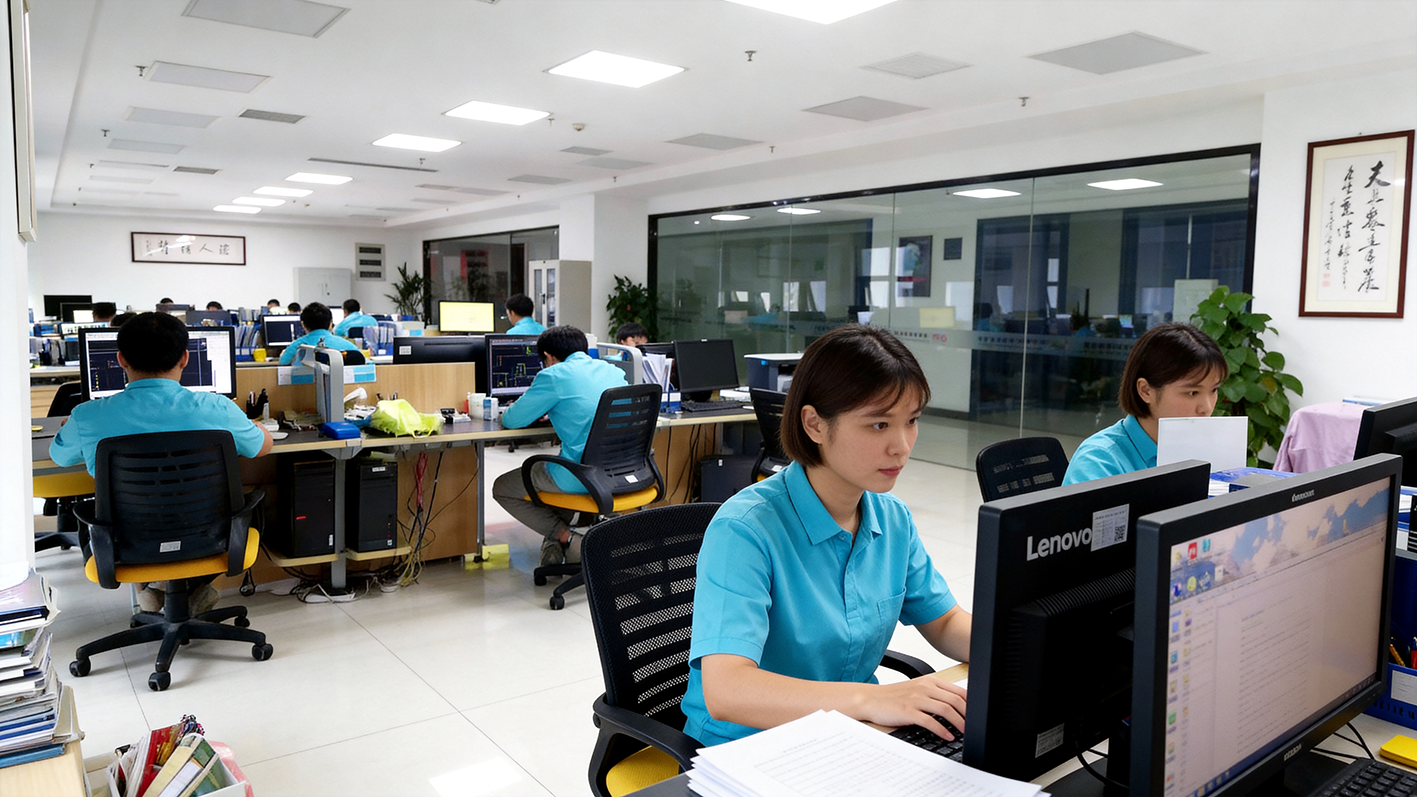
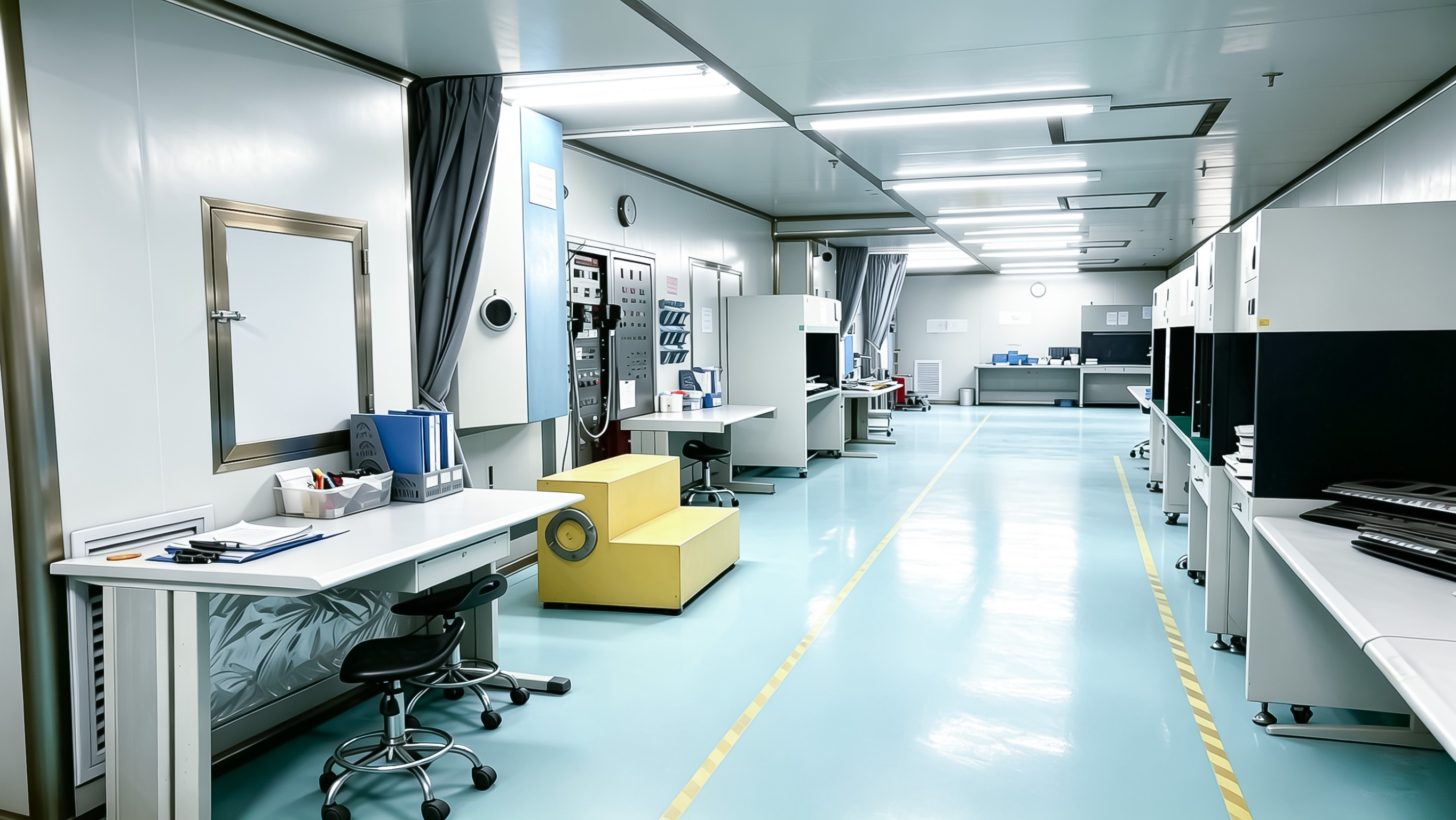
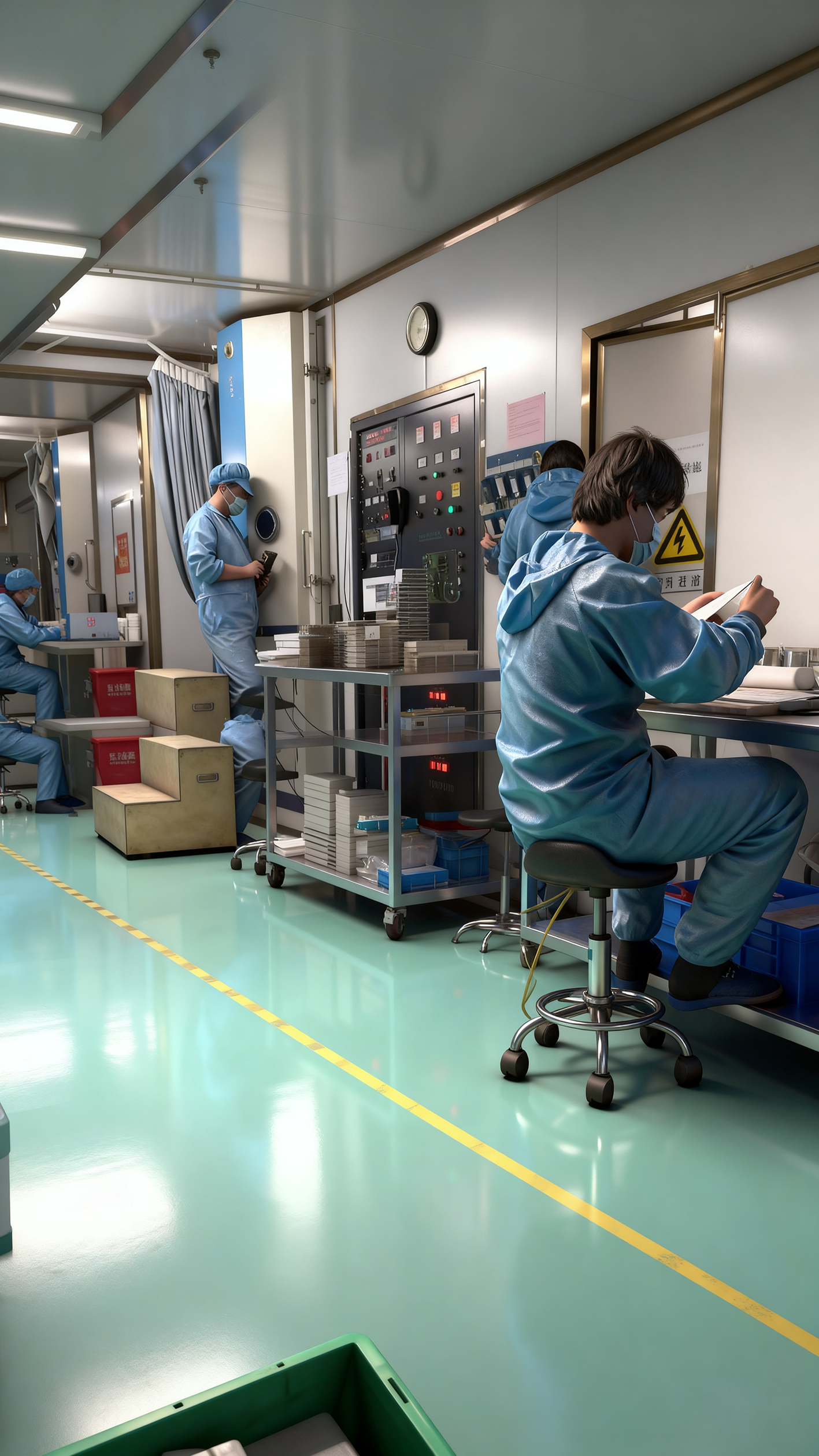
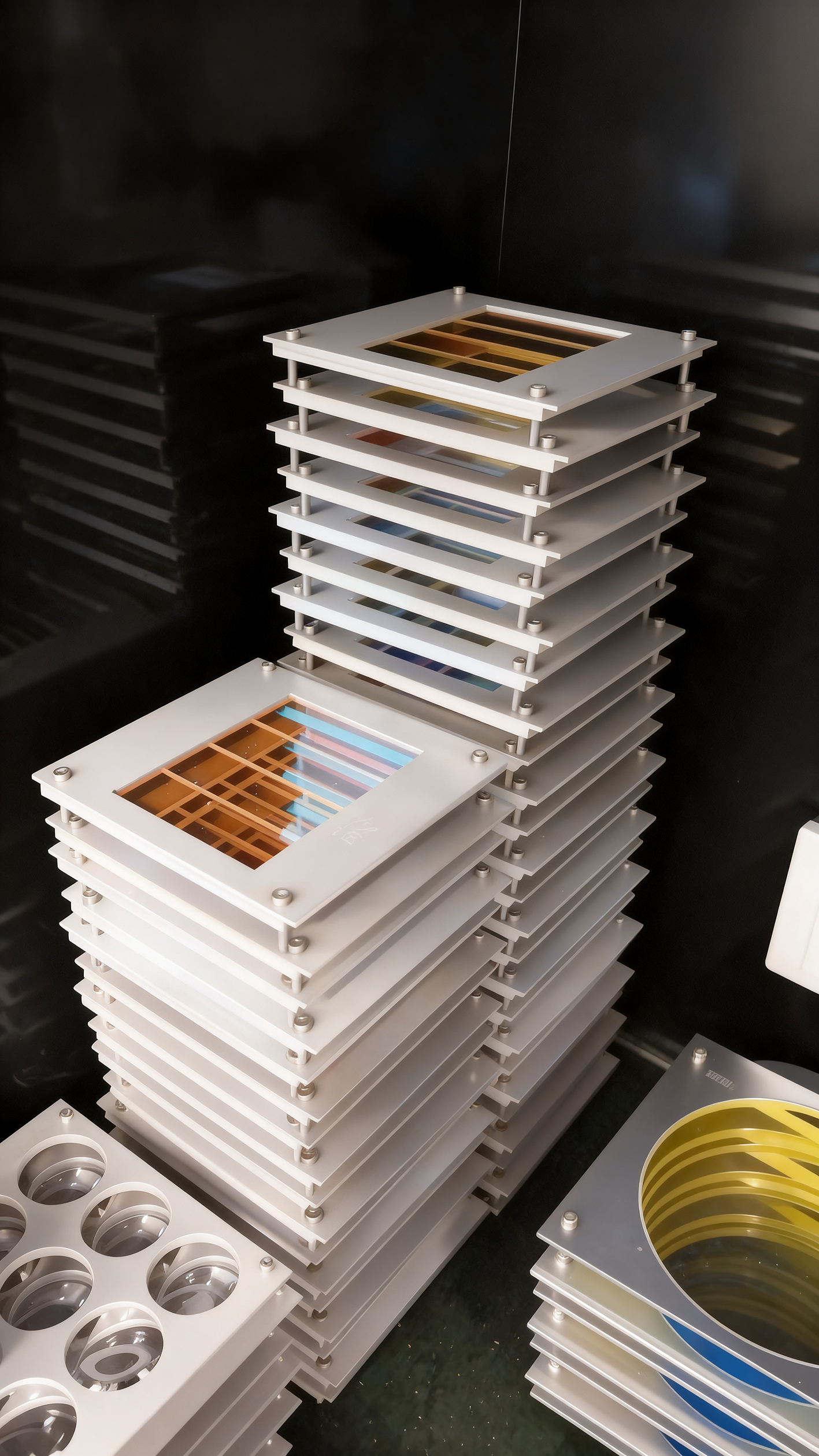
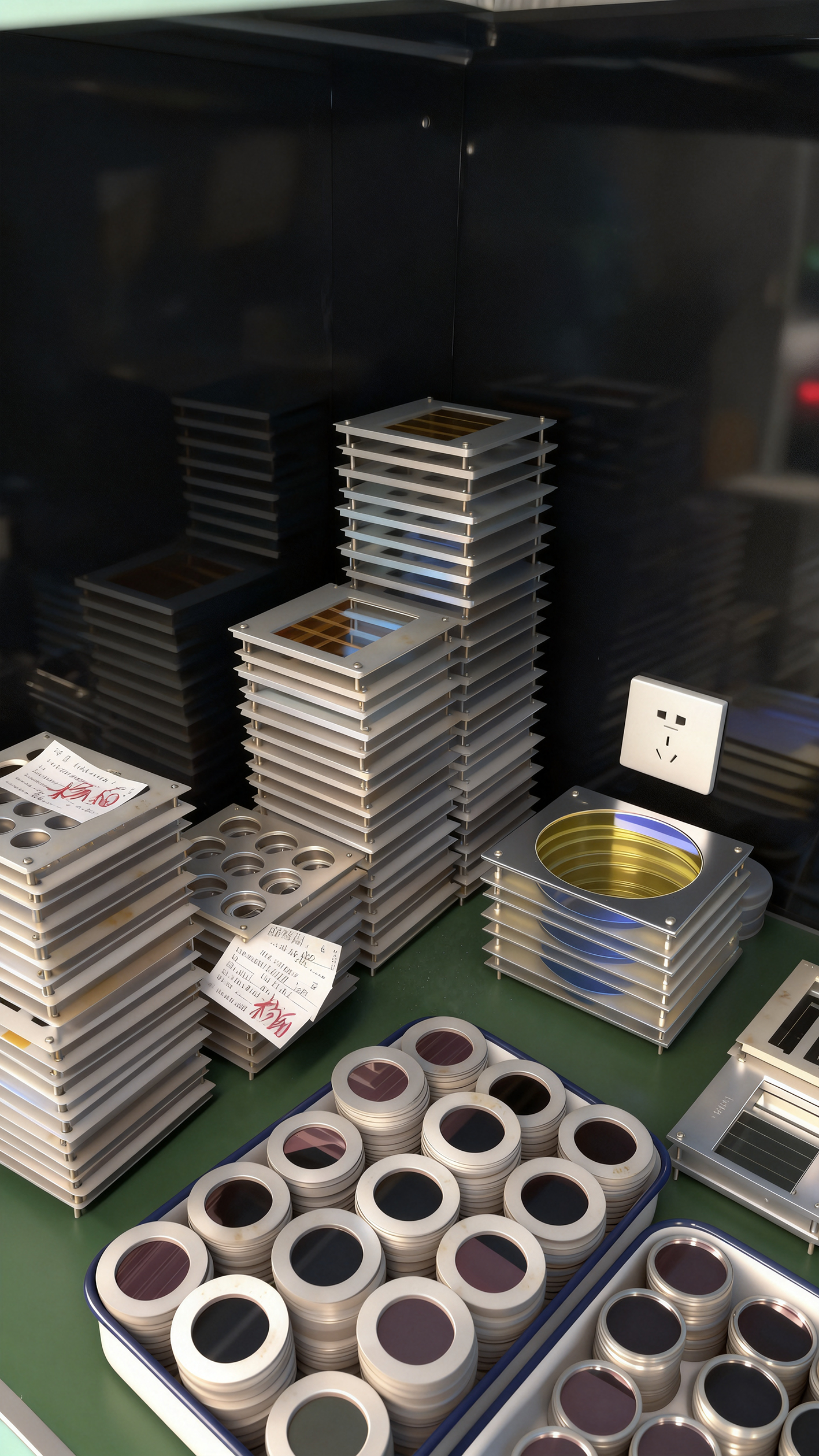
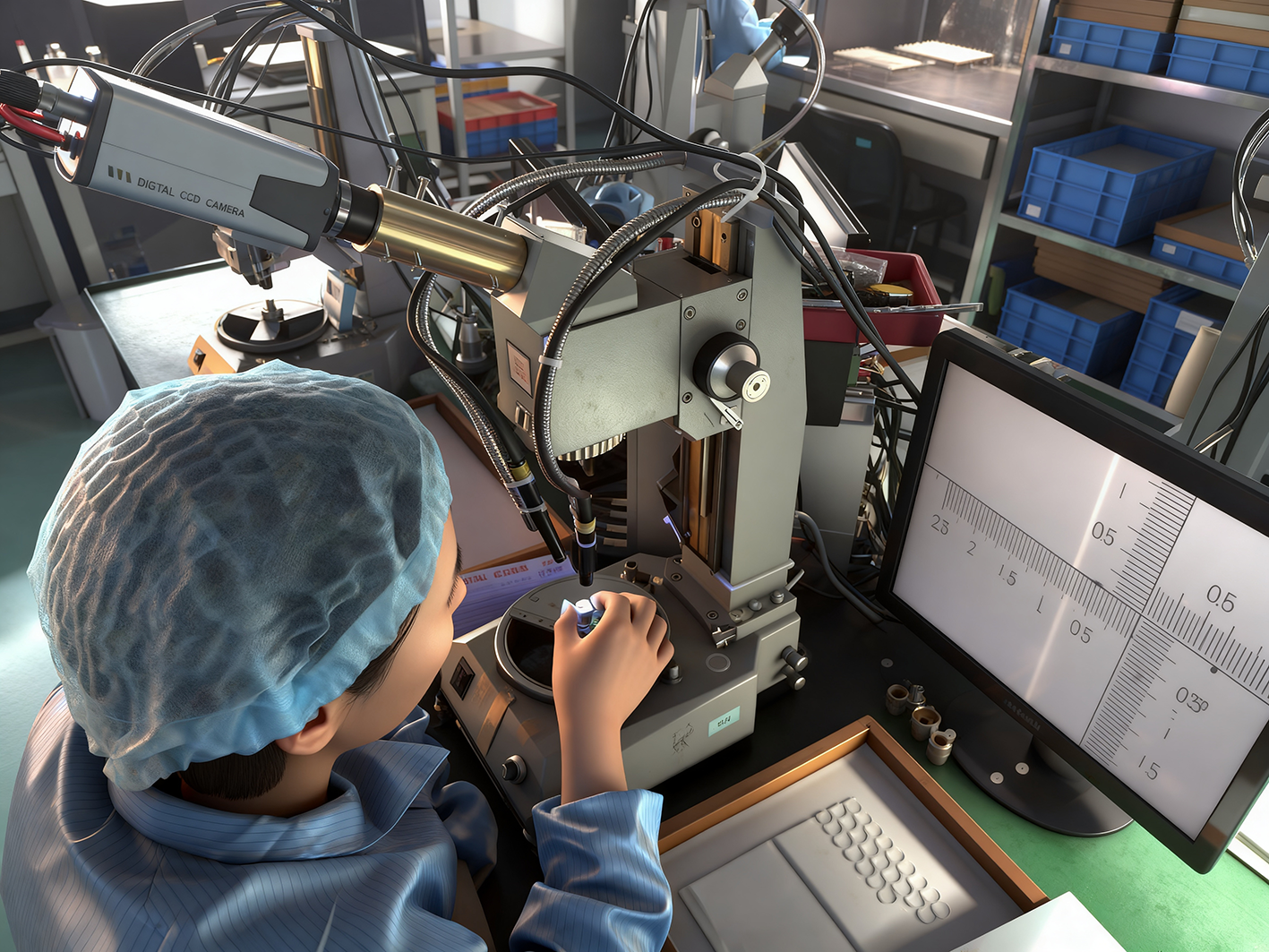
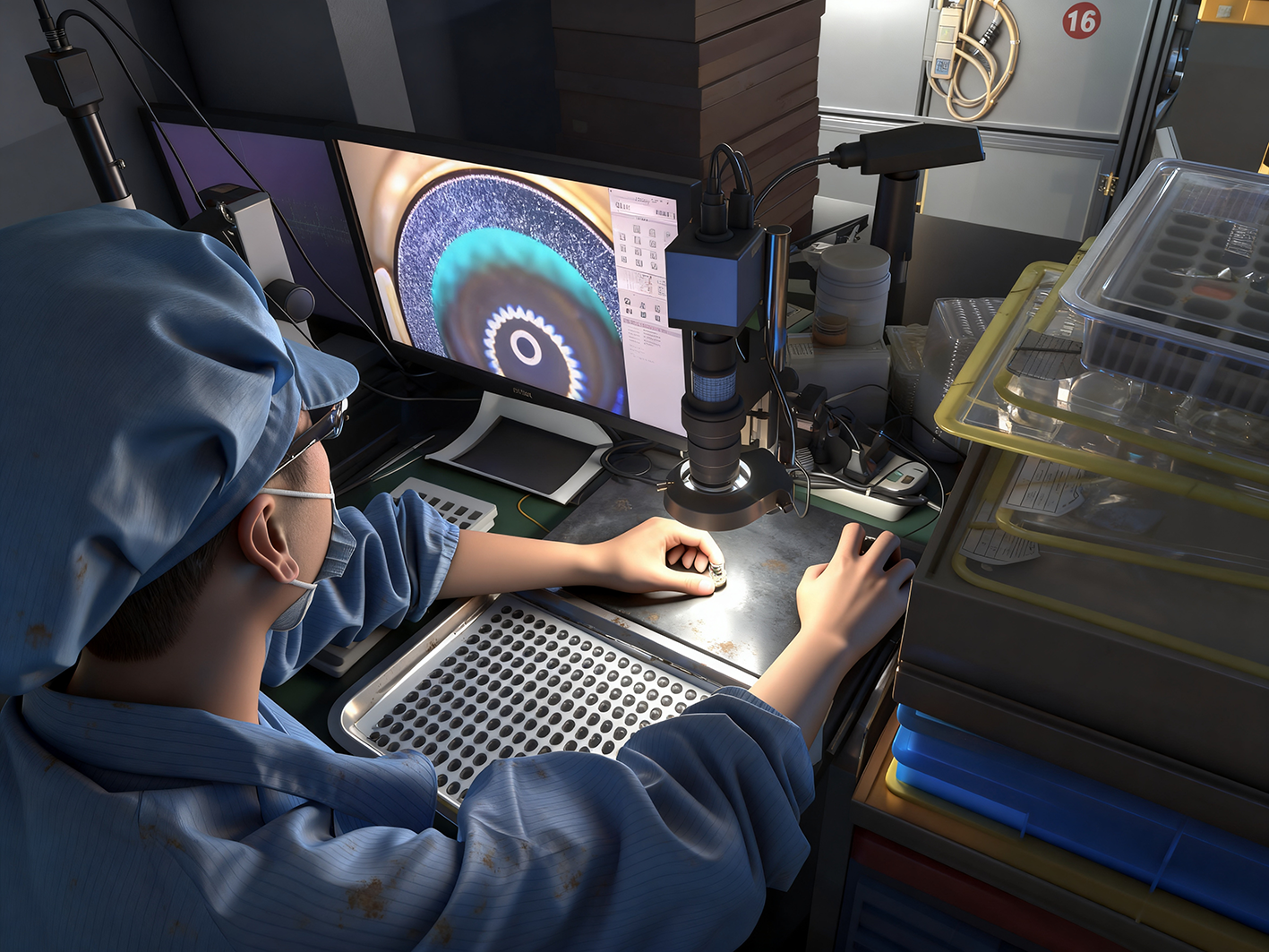
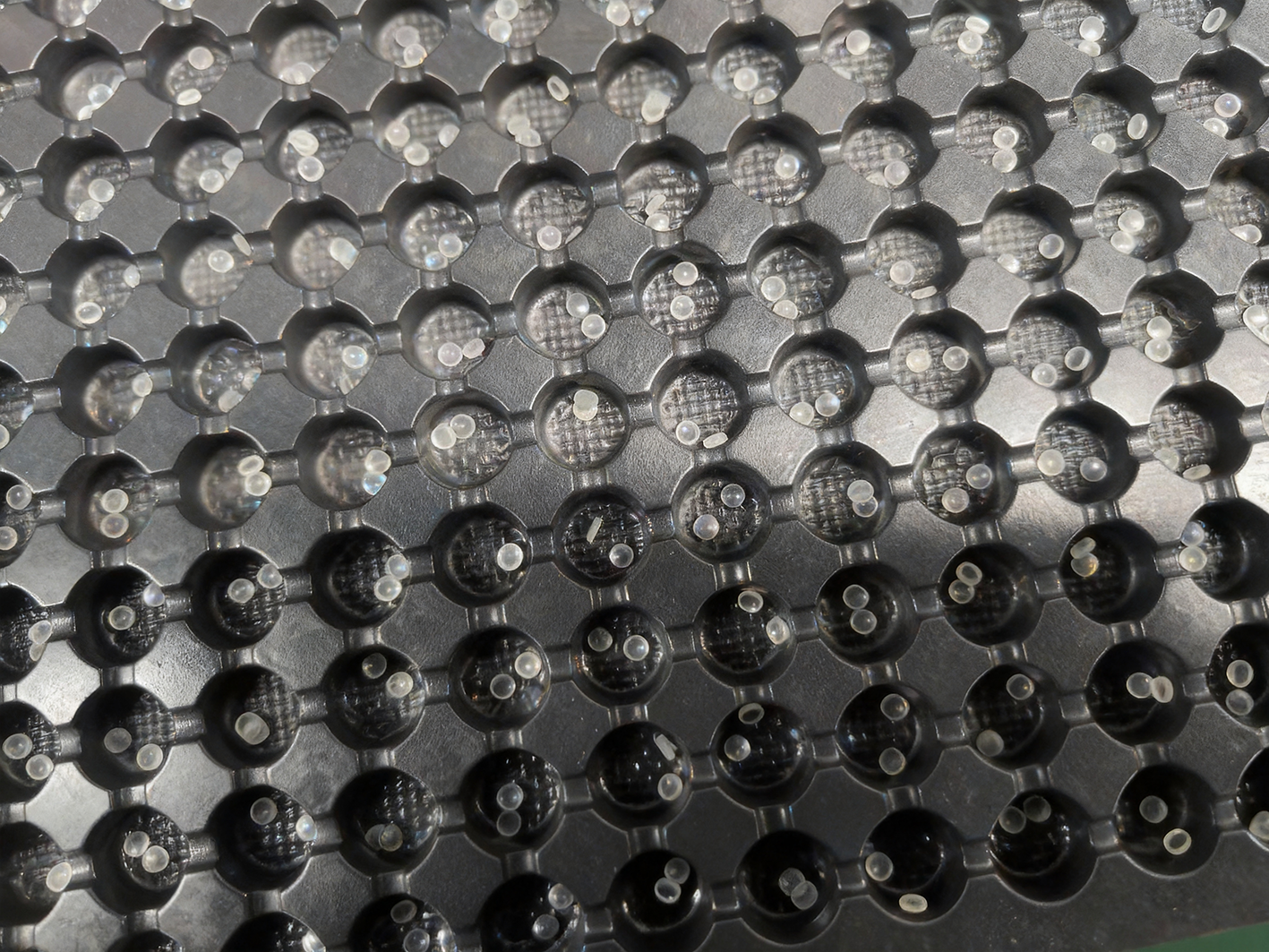
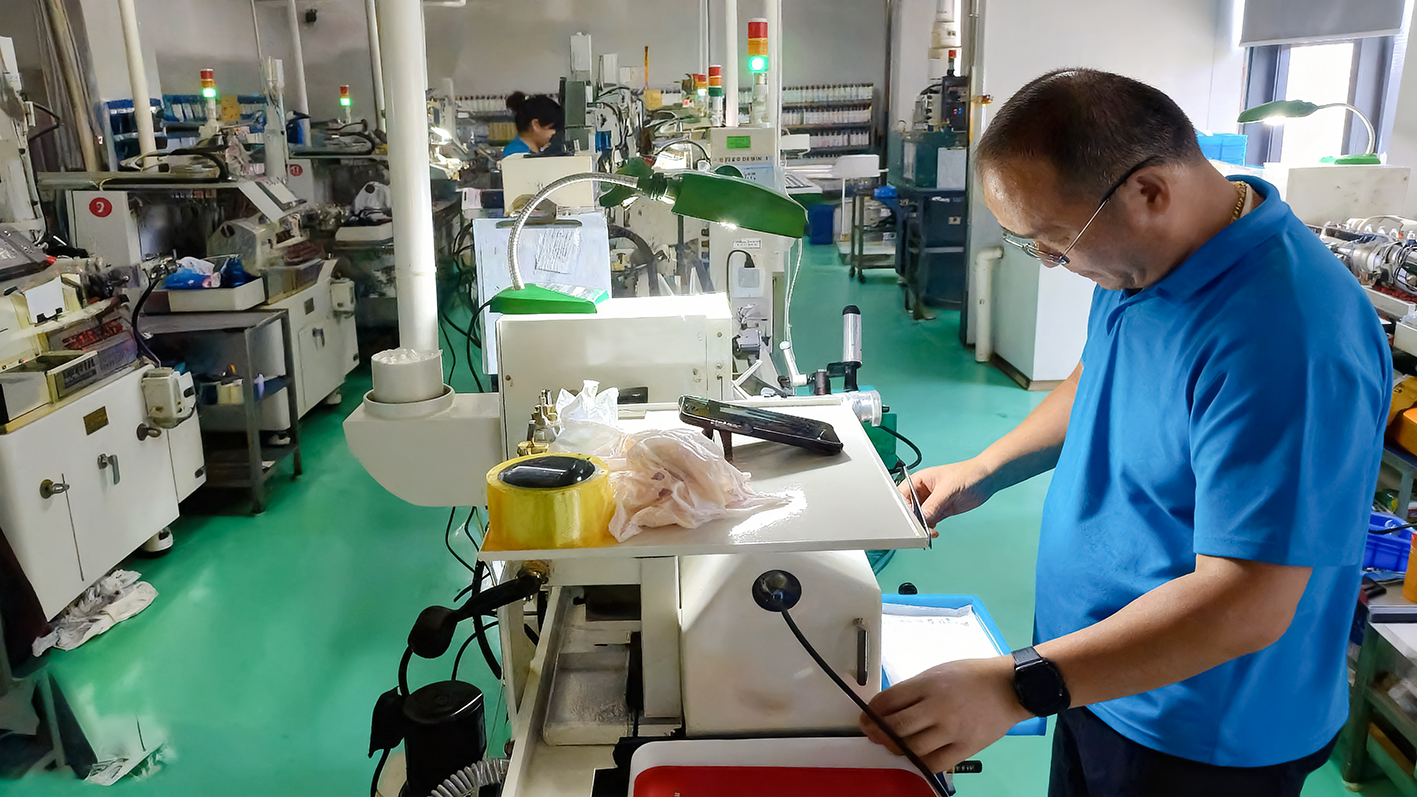
R&D Collaboration Hub — Where Precision Engineering Comes Together
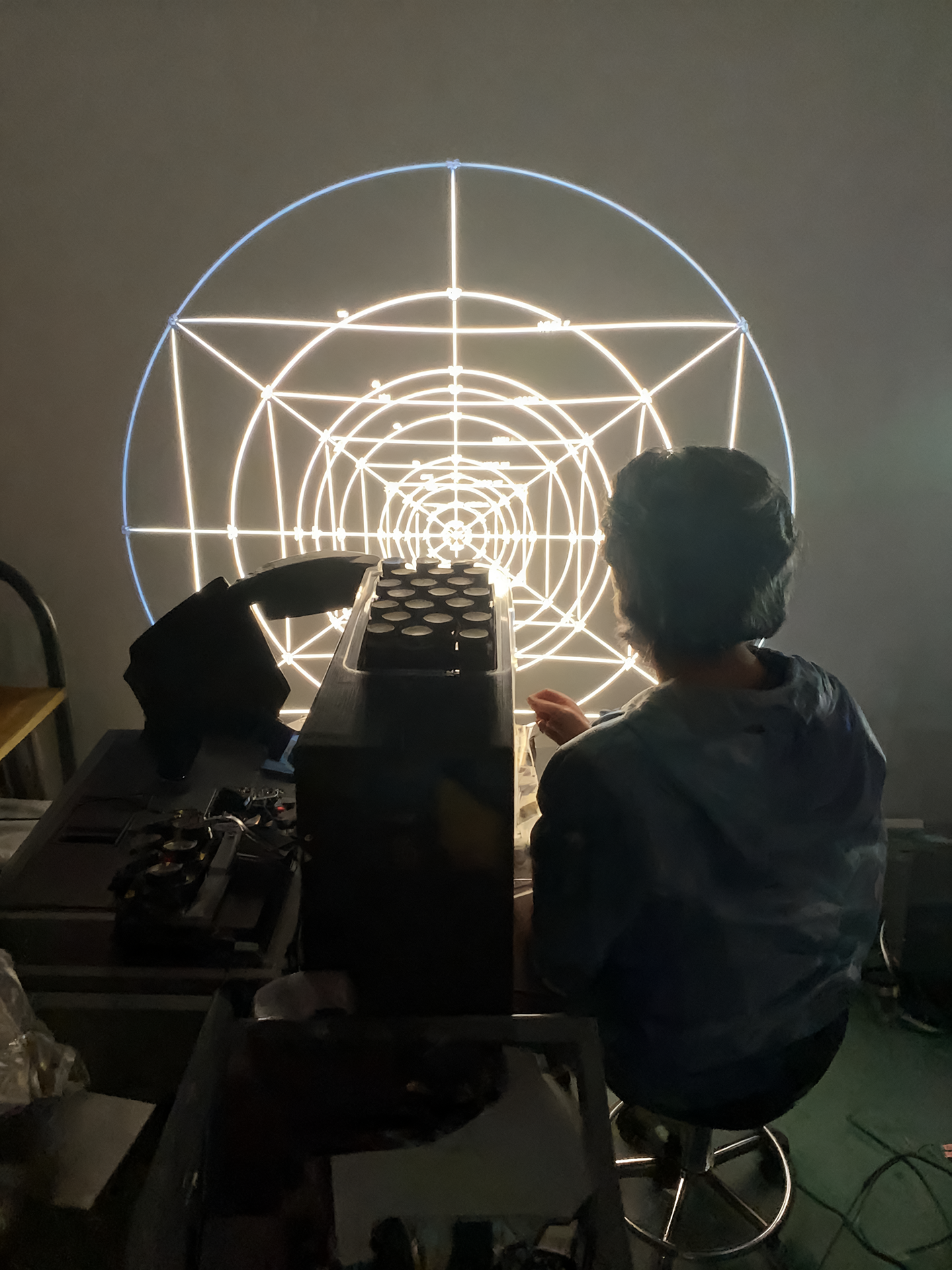
This is where optical, mechanical, and electronics engineers work in sync.
The optics team leads light-path design and imaging performance.
The mechanical team ensures structural integrity and manufacturability.
The electronics team validates signal integrity and interface compliance.
Through continuous iteration, simulation, and refinement, complex technical requirements are transformed into reliable, scalable, and globally compliant precision components.
Where cross-disciplinary collaboration turns ideas into reality.
视频播放失败,请稍后重试
R&D Collaboration Hub — Where Engineering Becomes Reality.
This is where optical, mechanical, and electronics engineers work side by side in a hands-on development environment.
From detailed CAD modeling to optical system design, each team plays a critical role.The optics team develops and optimizes light-path performance.The mechanical team translates concepts into manufacturable, production-ready structures.The electronics team ensures signal integrity and system-level compatibility.
Through continuous iteration, simulation, and real-world validation, the team converts complex engineering requirements into reliable, scalable, and globally compliant precision products.
Where design, engineering, and execution come together.
视频播放失败,请稍后重试
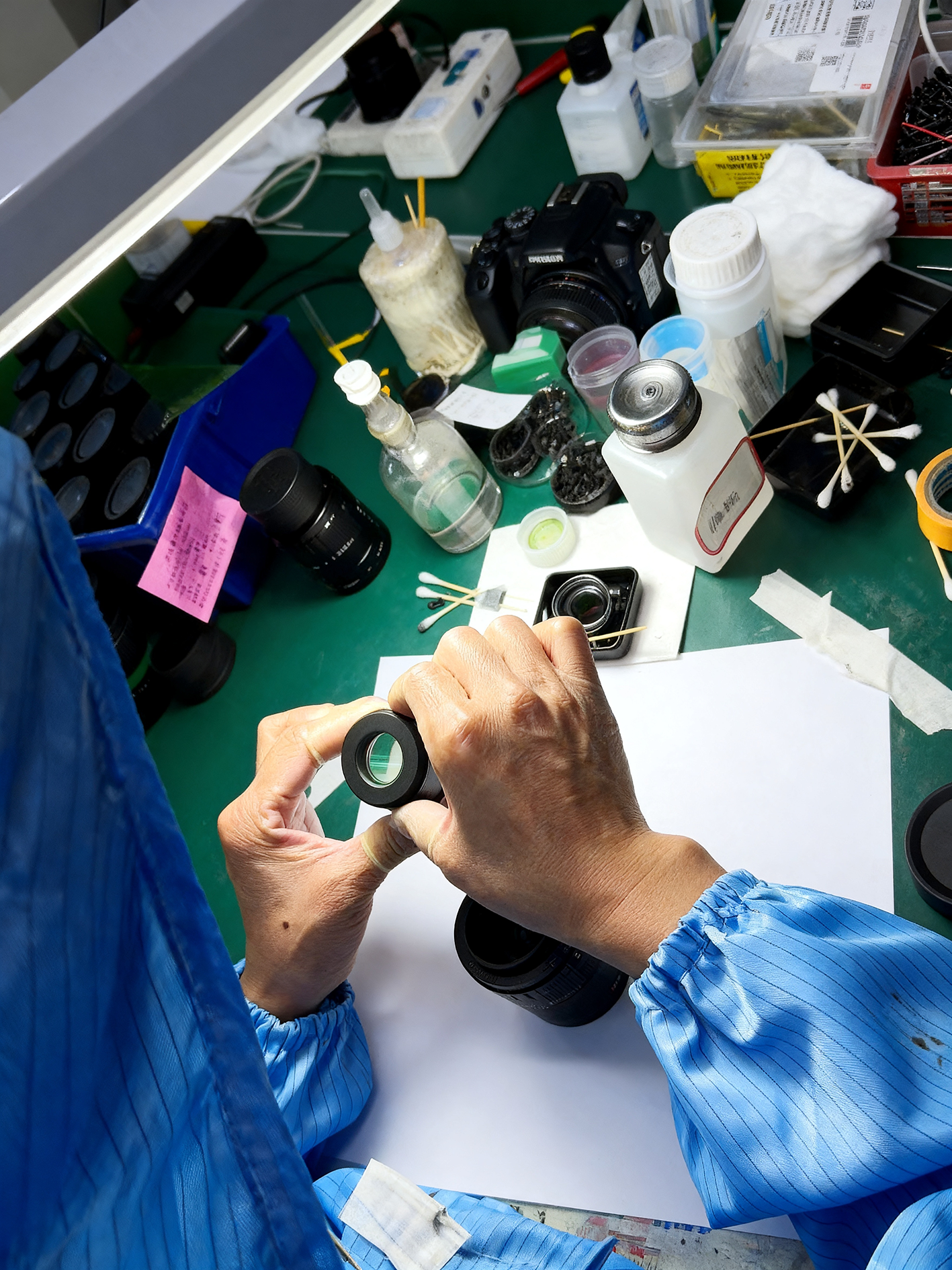
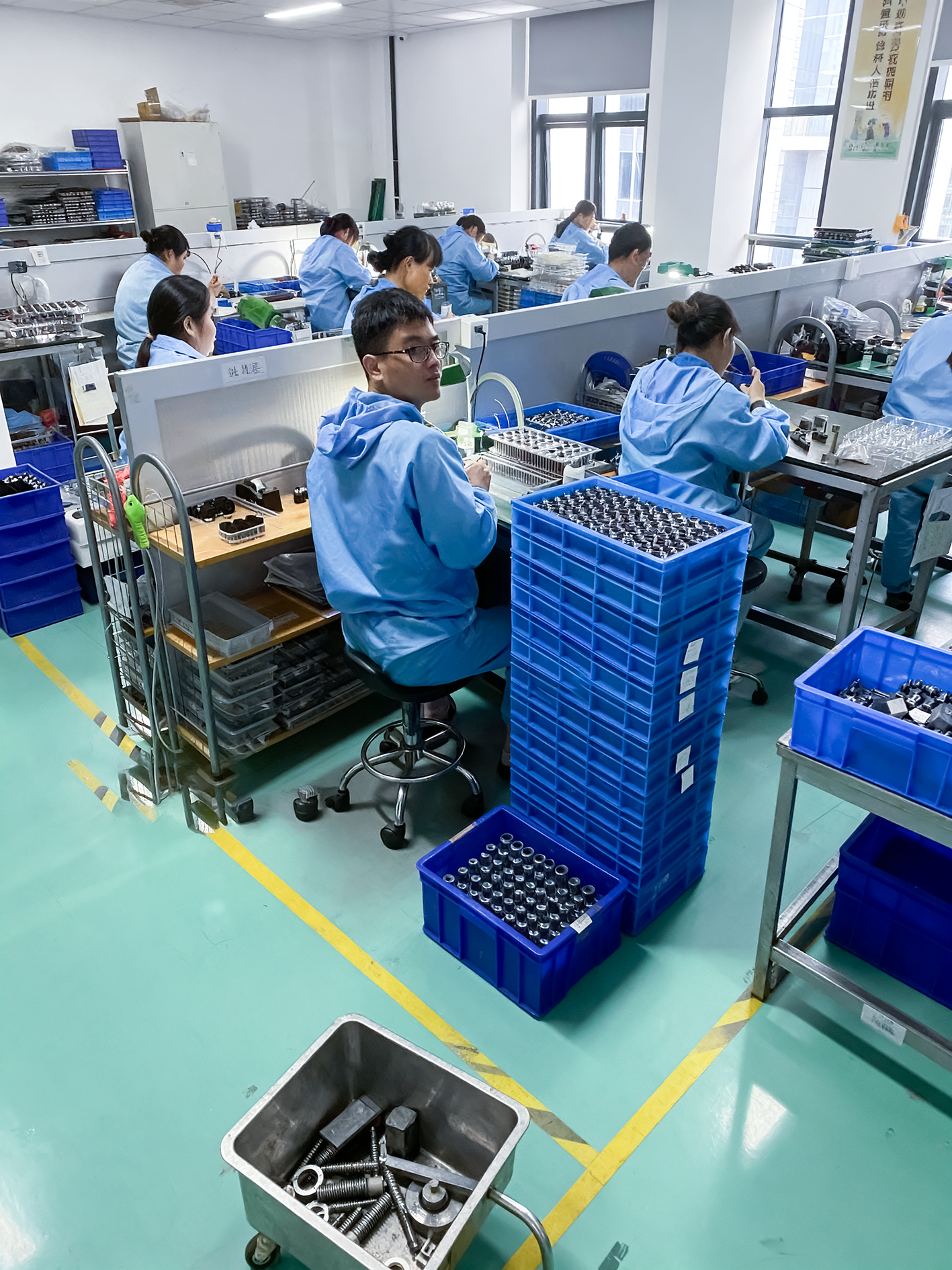
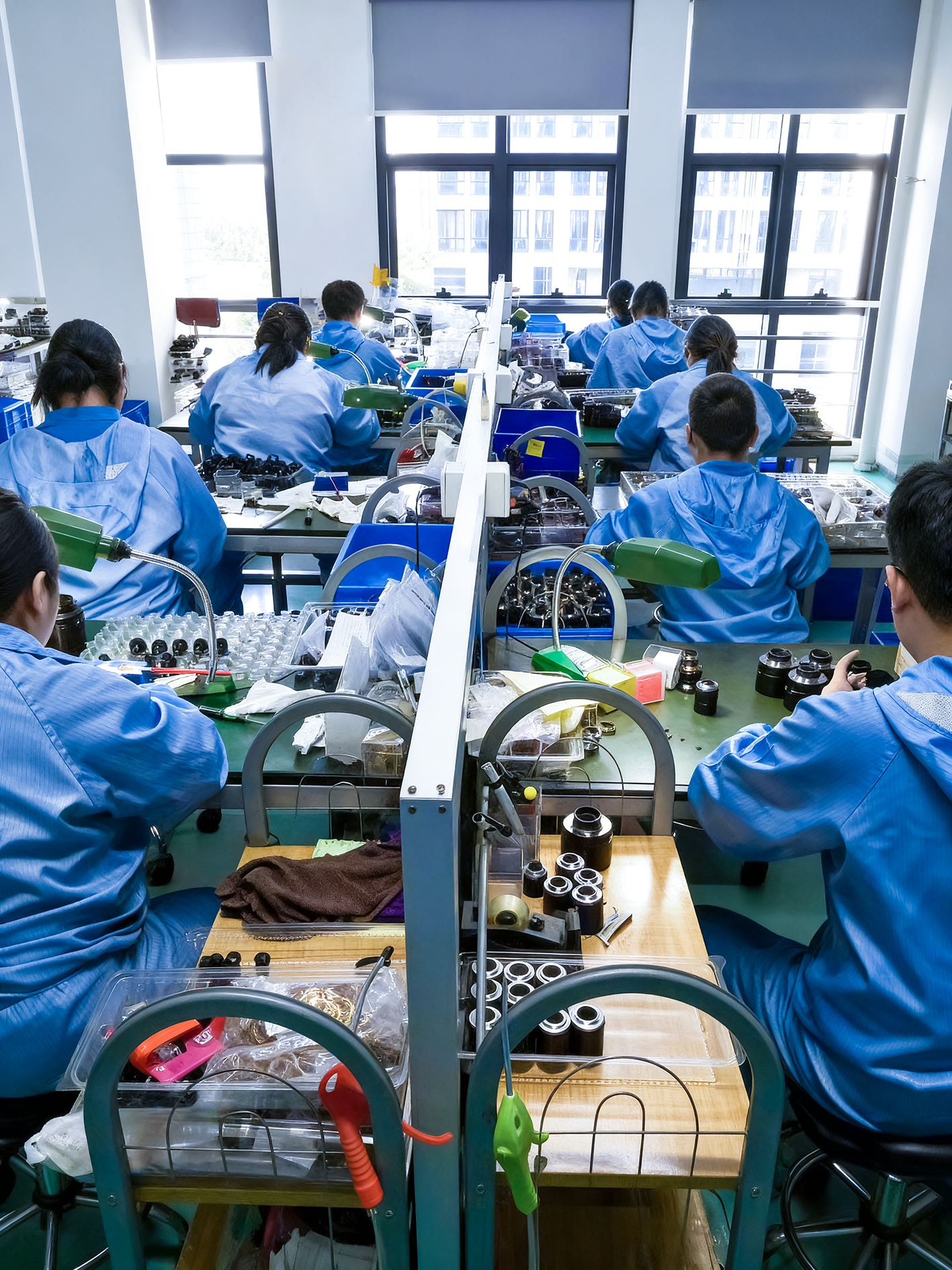
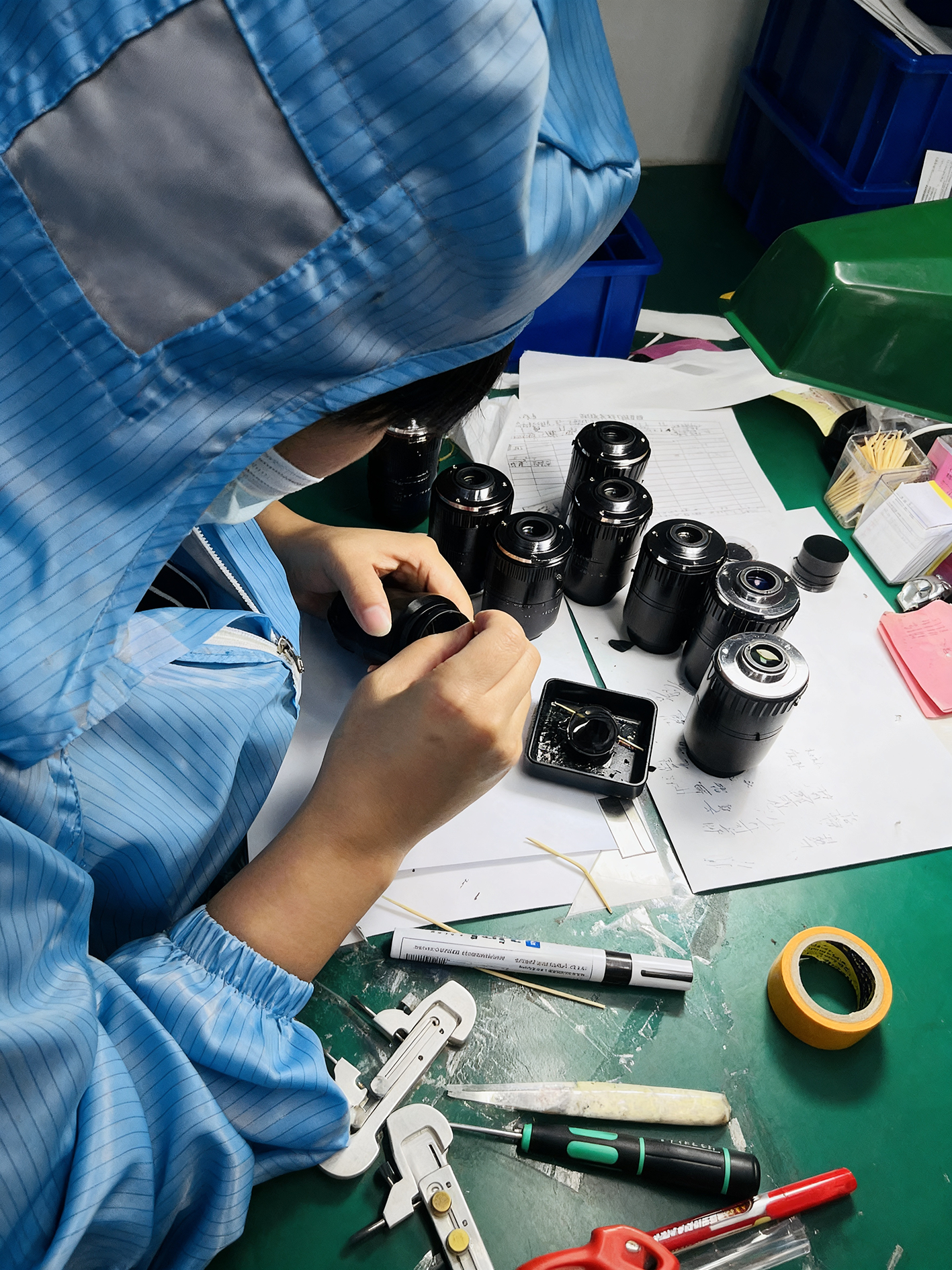
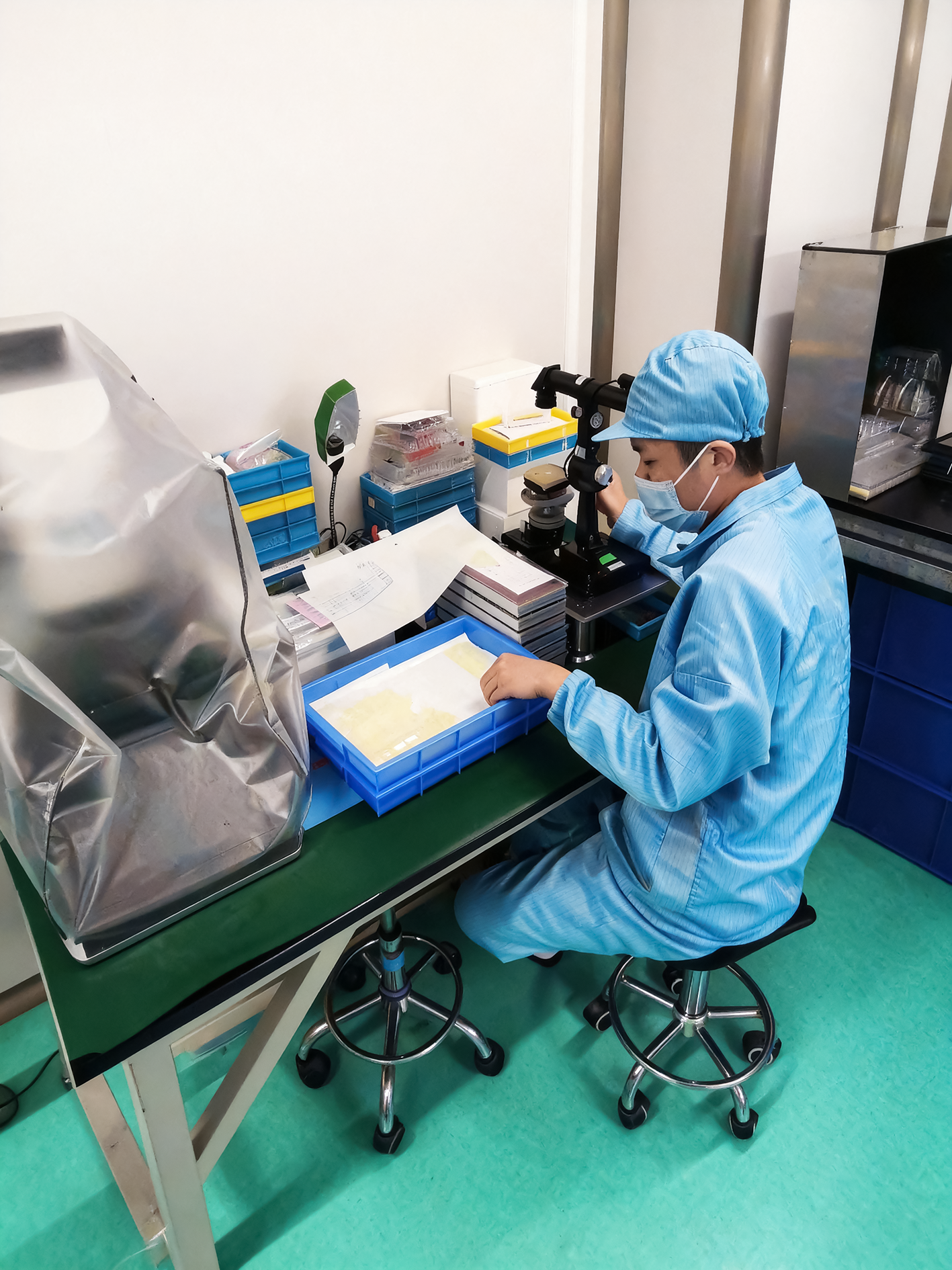
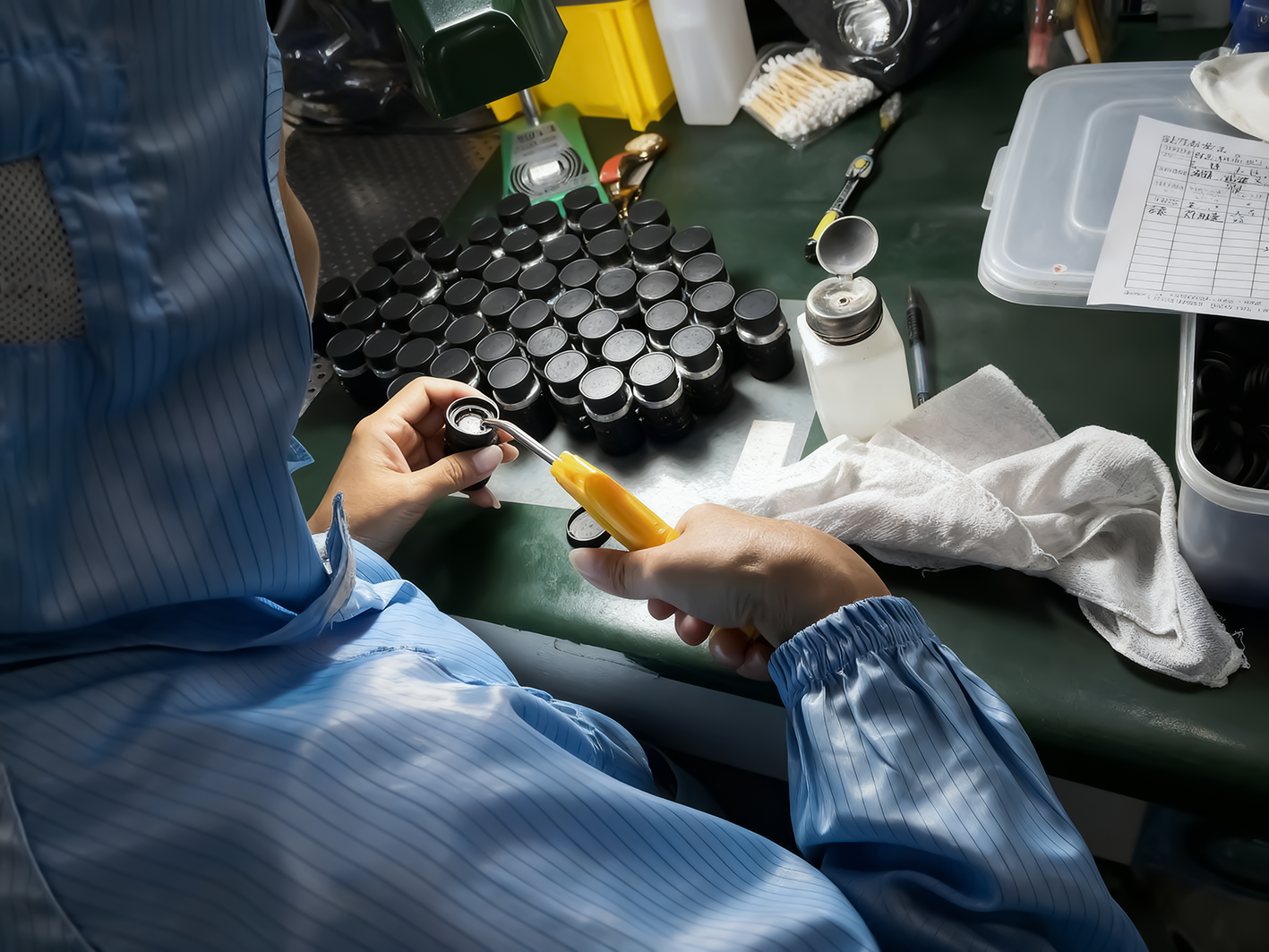
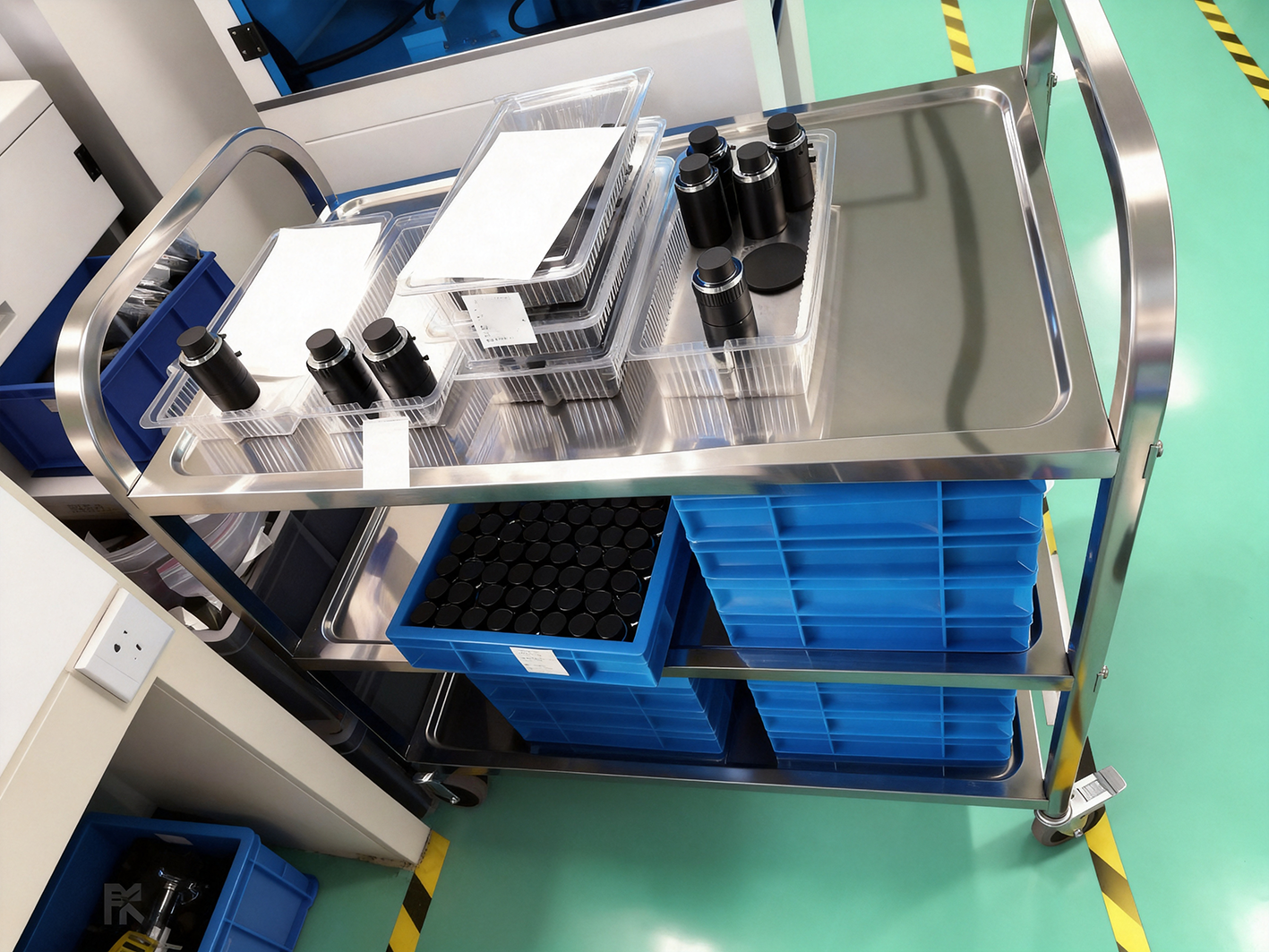
Lens Assembly — Where Precision Becomes Scalable
This is where optical designs are transformed into production-ready products.
In a controlled assembly environment, trained technicians execute each process with consistency and discipline:
Lens cleaning and drying to ensure contamination-free surfaces
Precision alignment and bonding to maintain optical axis stability
Controlled temperature and humidity to minimize material stress
100% inspection and functional testing, including resolution, distortion, and MTF
From small batches to high-volume production, we maintain the same standards, the same process control, and the same quality outcomes.
Whether the order is 10 units or 10,000, performance remains consistent and delivery remains reliable.
Precision is built into every step. Consistency is proven at scale.
视频播放失败,请稍后重试
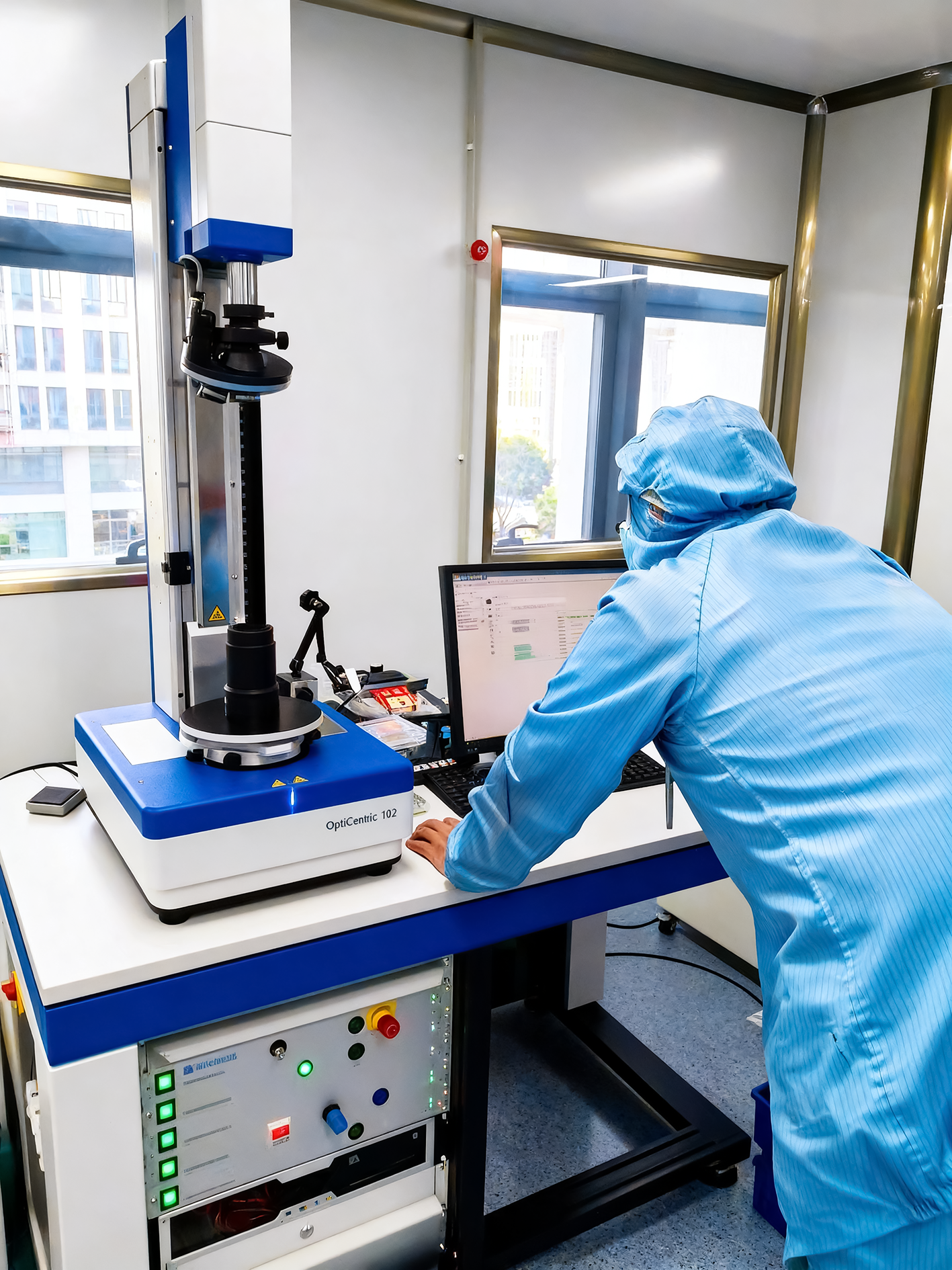
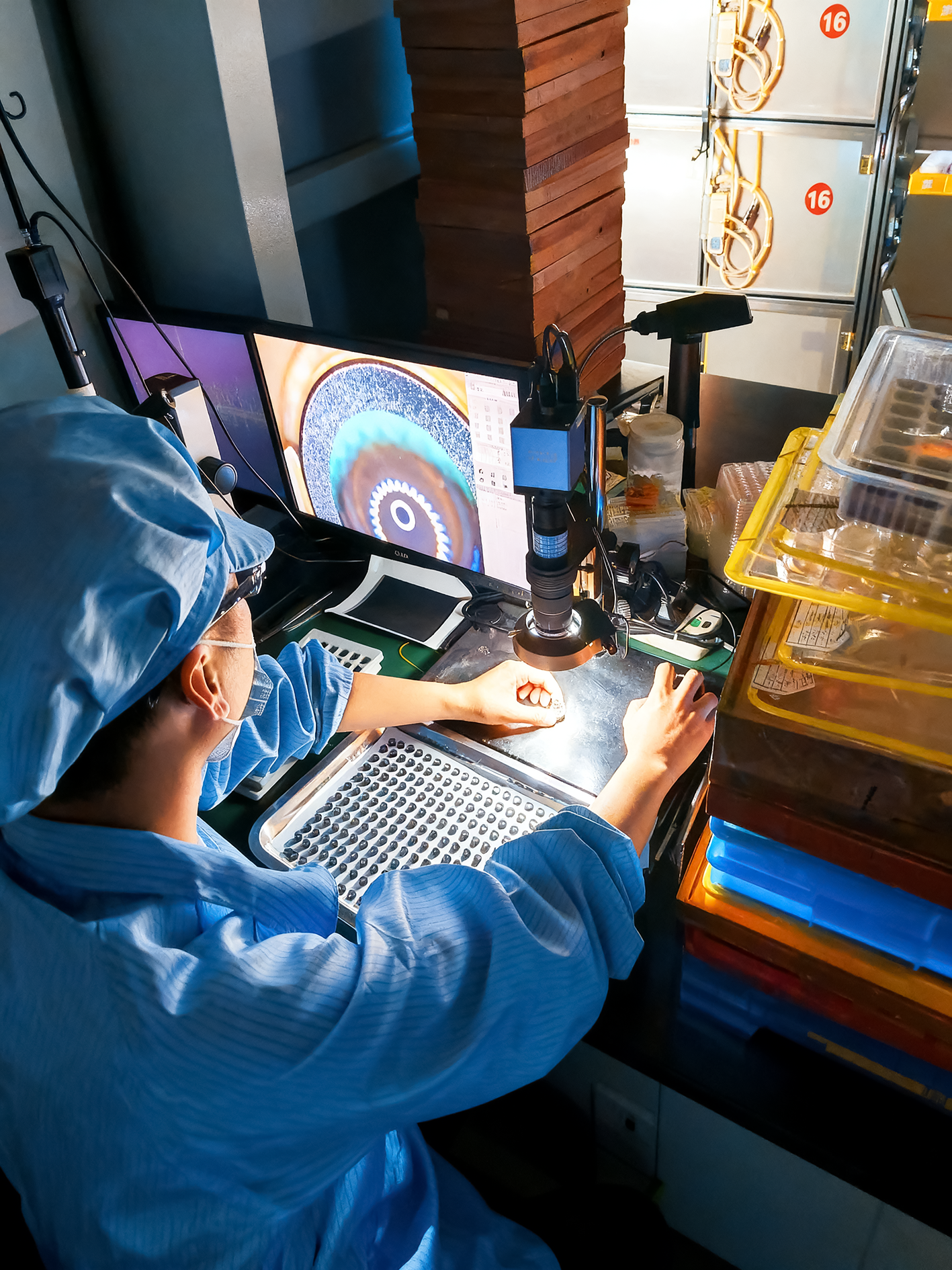
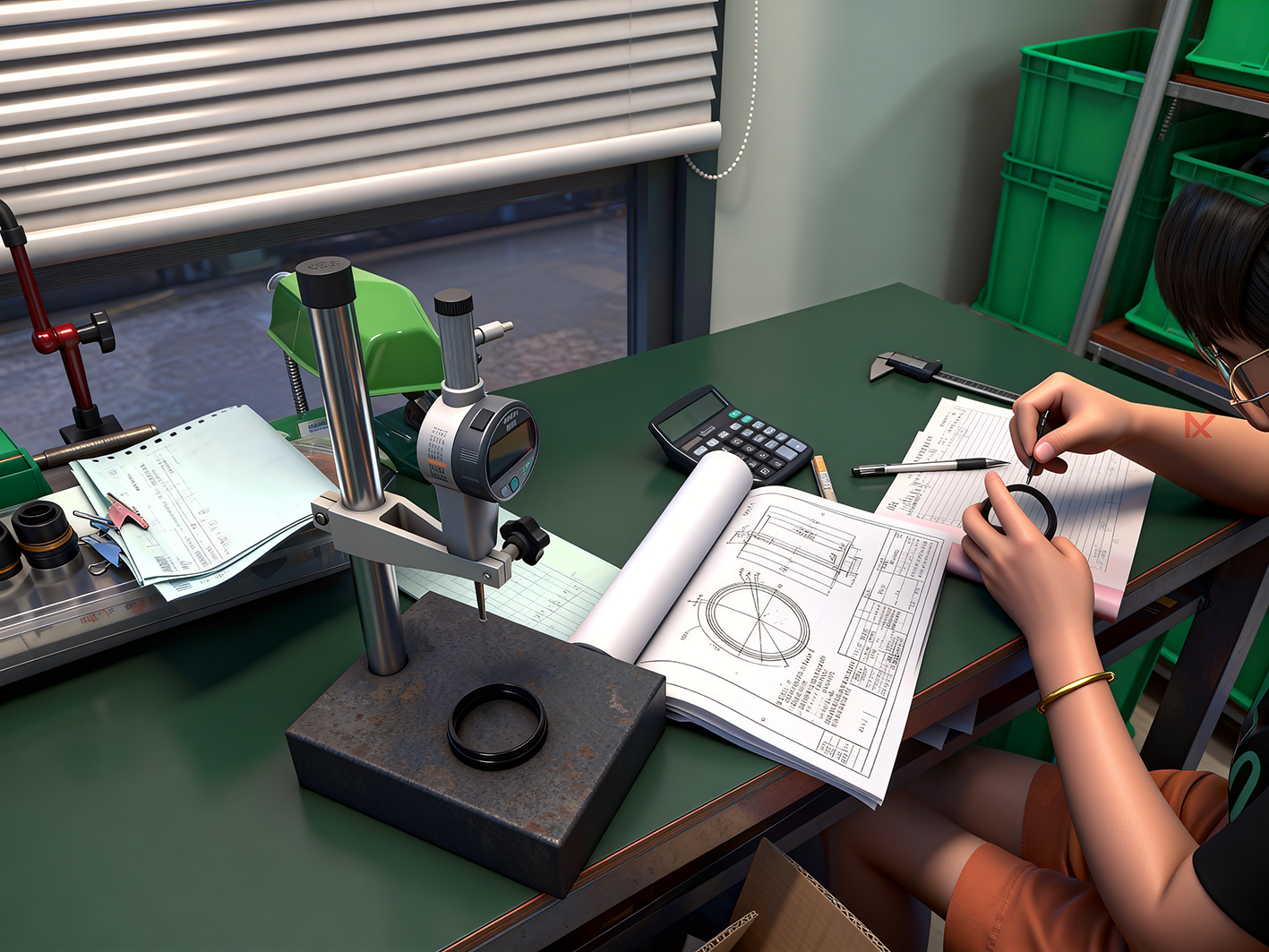
Quality Control Center — Precision and Reliability, Built Into Every Step
Within our manufacturing system, Quality Control (QC) is not a standalone function — it is a fully integrated discipline embedded throughout the entire workflow.
Our approach is built on a structured foundation:
People → Engineering → Process → System → Data
From team expertise and engineering design to manufacturing execution, system control, and data validation, every layer is aligned to ensure consistency, stability, and verifiable performance.
In practice, QC spans every critical stage from incoming materials to final shipment, all executed in strict accordance with ISO quality management standards:
Incoming inspection (optical and mechanical components)
In-process control (cleaning, assembly, self-inspection)
Imaging performance testing (MTF and optical parameters)
Visual and cleanliness inspection
Final inspection and shipment validation
Material handling follows FIFO (First-In, First-Out) principles to ensure proper inventory rotation and to prevent quality risks associated with material aging.
All inspections are conducted based on defined standards and work instructions, supported by comprehensive data recording systems to ensure full traceability and verifiable quality outcomes.
On the metrology side, advanced instruments such as Zygo interferometers are used to measure wavefront error, surface accuracy, and imaging performance — making objective data the foundation of every quality decision.
Through standardized processes, systematic control, and data-driven validation, we ensure every lens delivered meets consistent, reliable, and internationally compliant quality standards. Quality is not inspected at the end — it is engineered into every step.

视频播放失败,请稍后重试
Coation Department: Coating Engineering Team — Delivering Performance Through Process Excellence
Our coating capability is built on the integration of experienced engineers, advanced equipment platforms, and stable process control.

Our coating engineers bring strong expertise in multi-layer thin-film design and process optimization, enabling tailored solutions for spectral performance, reflectance control, and environmental reliability across different applications.
On the equipment side, we utilize advanced vacuum coating systems from leading Japanese manufacturers, combined with precise process control to ensure film thickness uniformity and batch-to-batch consistency.
With standardized procedures and ISO-based quality management, the entire coating process is monitored and recorded, ensuring full traceability and verifiable performance.
Through the synergy of people, equipment, and process, we reliably deliver a wide range of optical coatings, including AR, IR, and
optical filters — supporting both standard applications and high-performance imaging systems.
We focus not only on what can be achieved, but on what can be consistently delivered.
视频播放失败,请稍后重试
Optical Bonding Center — Enhancing Performance and Reliability
Optical bonding is a key process for improving both optical performance and environmental reliability in advanced optical systems.
By introducing high-transmission optical adhesives between interfaces, air gaps are eliminated — reducing reflection losses while enhancing transmission efficiency and image contrast.
Within our process framework, bonding is not treated as simple adhesion, but as a precision-controlled operation requiring strict management of interface uniformity, stress control, and long-term stability.
Key controls include:
Surface preparation and cleanroom handling to prevent bubbles and contamination Adhesive uniformity and thickness control for optical consistency Curing process and stress management to prevent distortion and optical misalignment Full inspection and reliability testing (temperature, humidity, aging)
With standardized procedures and ISO-based quality systems, all bonding processes are fully monitored and recorded, ensuring traceability and consistent performance across environments.
This capability is widely applied in automotive optics, industrial vision, and outdoor systems where vibration resistance, anti-fogging, and durability are critical.
We don’t just bond components — we enhance performance and ensure long-term reliability.
视频播放失败,请稍后重试
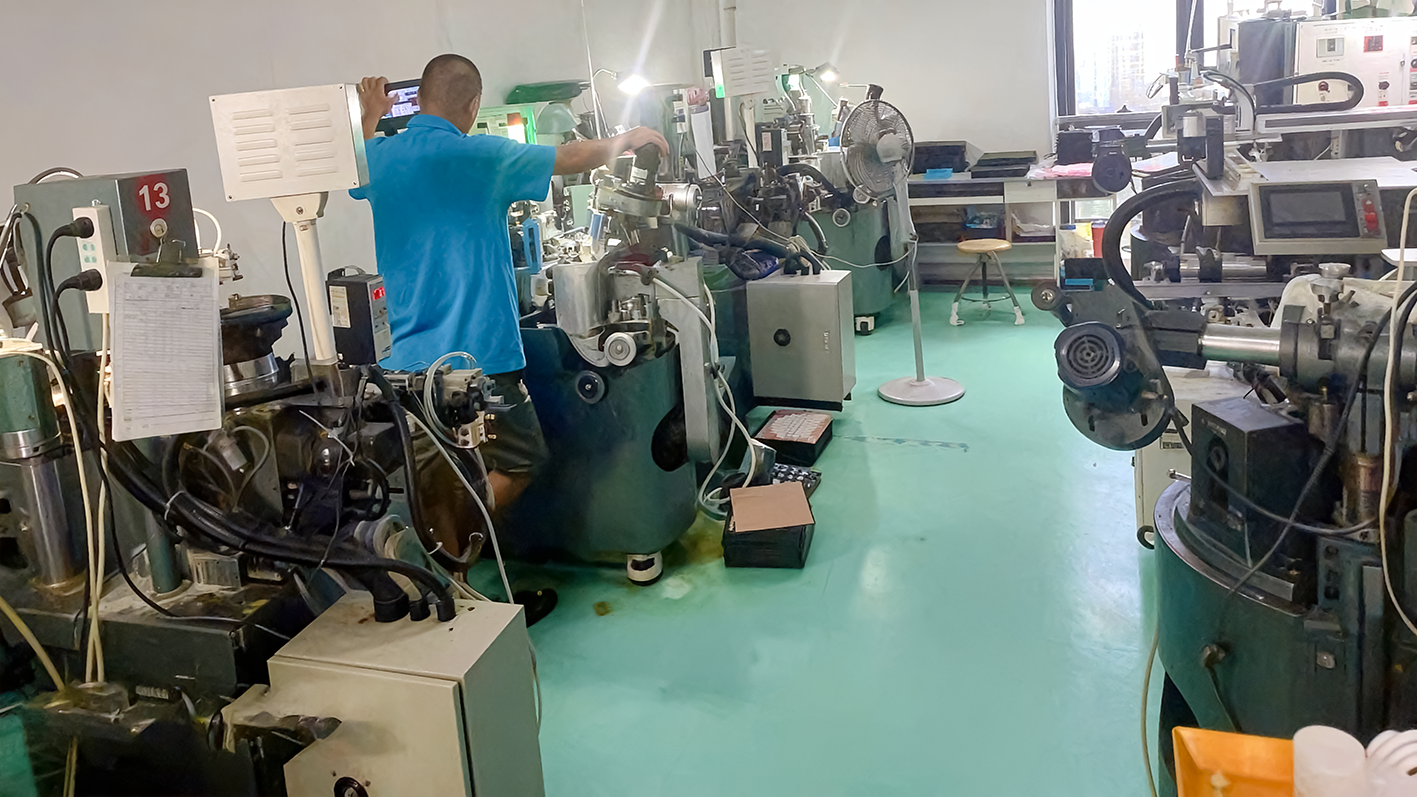
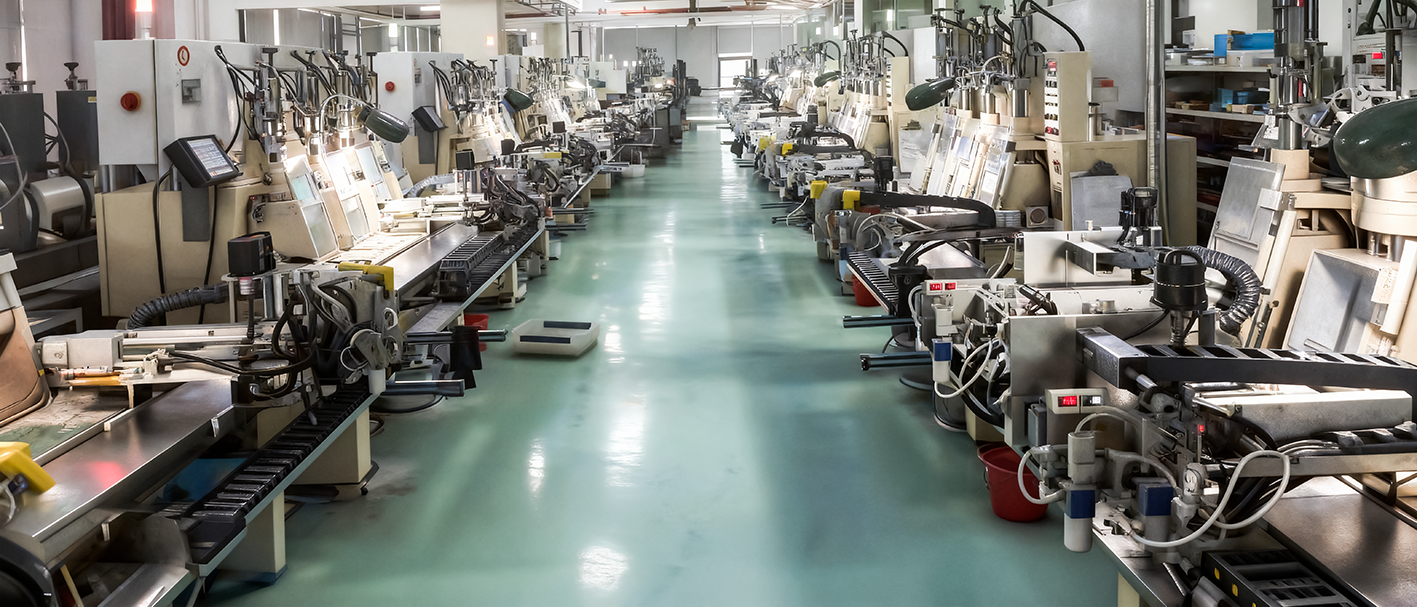
Milling Grinding Precision Machining Center — The Foundation of Optical Accuracy
Precision machining is a critical step in achieving high-performance and consistent optical systems.
At this stage, milling and grinding processes are applied to manufacture key structural and optical-related components with tight dimensional control, providing a reliable foundation for downstream assembly and optical performance.
Our strength lies not only in equipment, but in process control — managing dimensional tolerances, geometric accuracy, and surface quality with consistency.
Our machining capability supports micron-level precision while maintaining stable and repeatable results across production batches.
Through standardized workflows and controlled processes, we ensure reliable output from prototyping to volume production. Precision begins at machining — consistency defines the result.
视频播放失败,请稍后重试
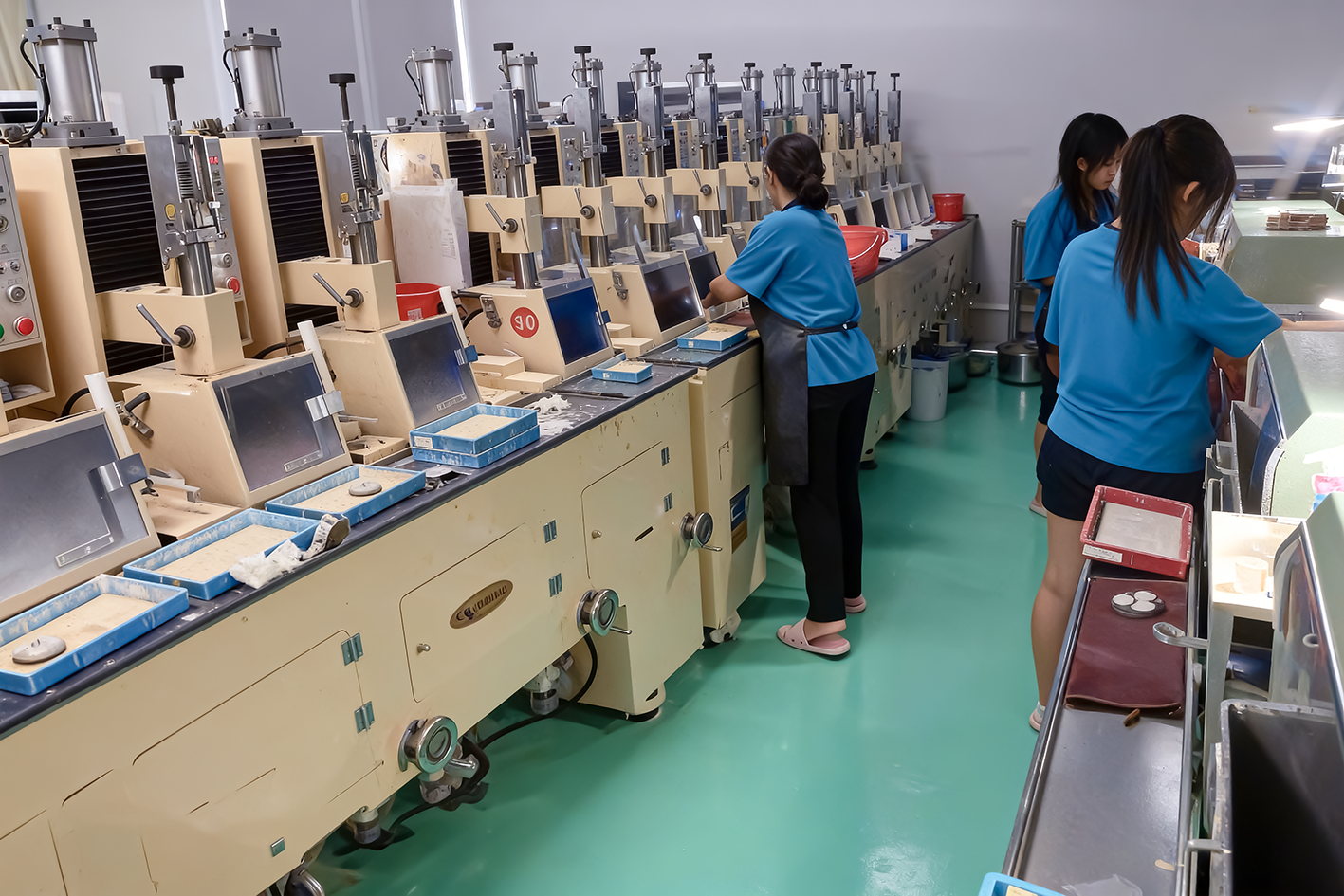
Optical Spherical Polishing Department — Precision Shaping of Optical Surfaces
Spherical polishing is a critical stage in defining the optical performance of lens elements.
At FIFO, this process is carried out through multi-station polishing systems, where controlled material removal and surface refinement ensure accurate curvature and high-quality optical surfaces.
The workflow combines operator-assisted processes with semi-automated equipment, enabling stable production while maintaining precise control over key parameters such as surface figure and consistency.
视频播放失败,请稍后重试
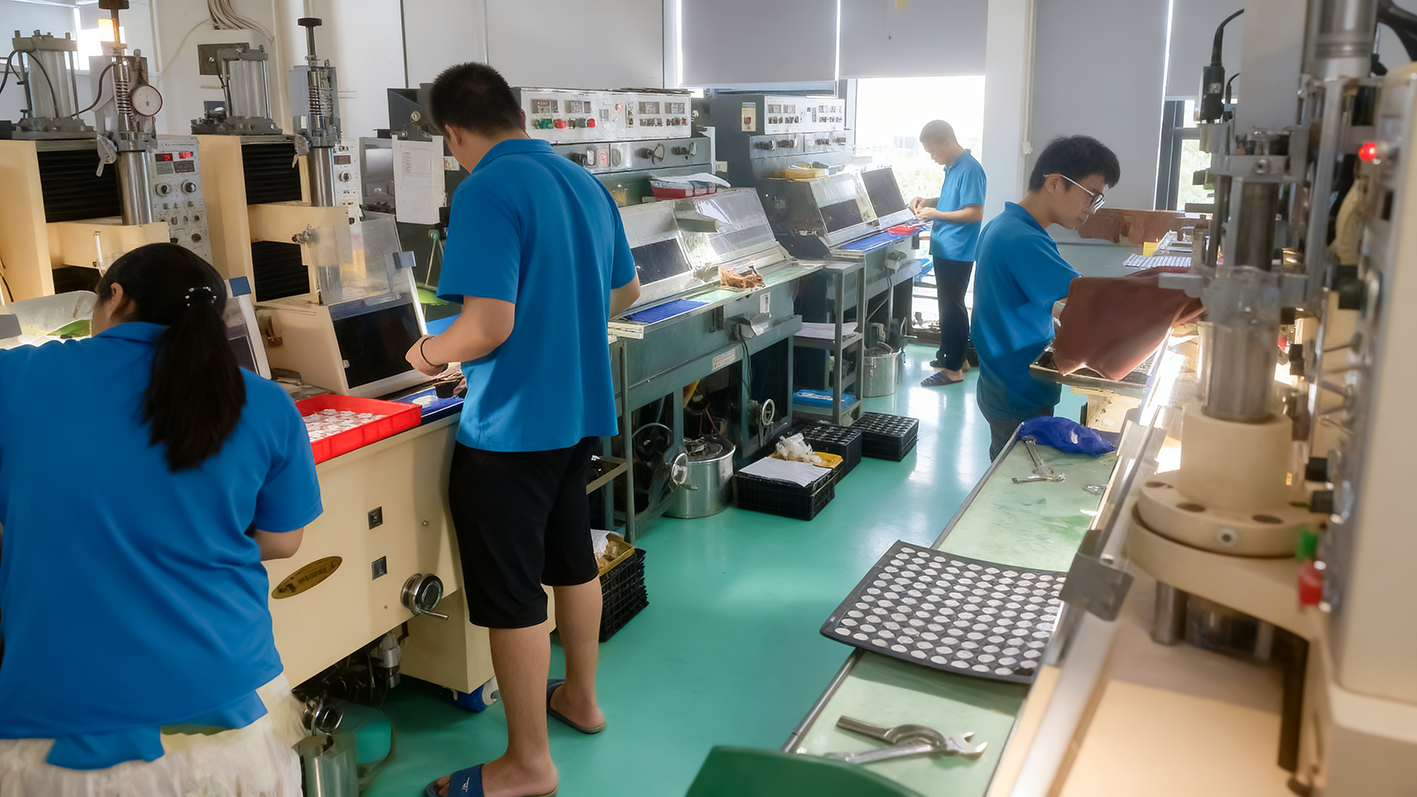
Optical Flat Polishing Department — Precision Control of Surface Flatness
Flat polishing is essential for applications requiring high surface accuracy and uniform optical performance.
At FIFO, this process is performed using multi-station polishing systems, ensuring controlled material removal and refined surface quality across flat optical components.
Special attention is given to parameters such as surface flatness, parallelism, and overall consistency, which are critical for downstream coating and assembly processes.
The workflow integrates operator-assisted control with semi-automated equipment, enabling stable production while maintaining tight process control.
For high-repeatability processes, automation is selectively introduced to further improve efficiency and uniformity.
With disciplined process management and accumulated expertise, FIFO delivers flat optical components with reliable quality, supporting both precision applications and scalable production.
Flatness controlled, performance assured.
视频播放失败,请稍后重试
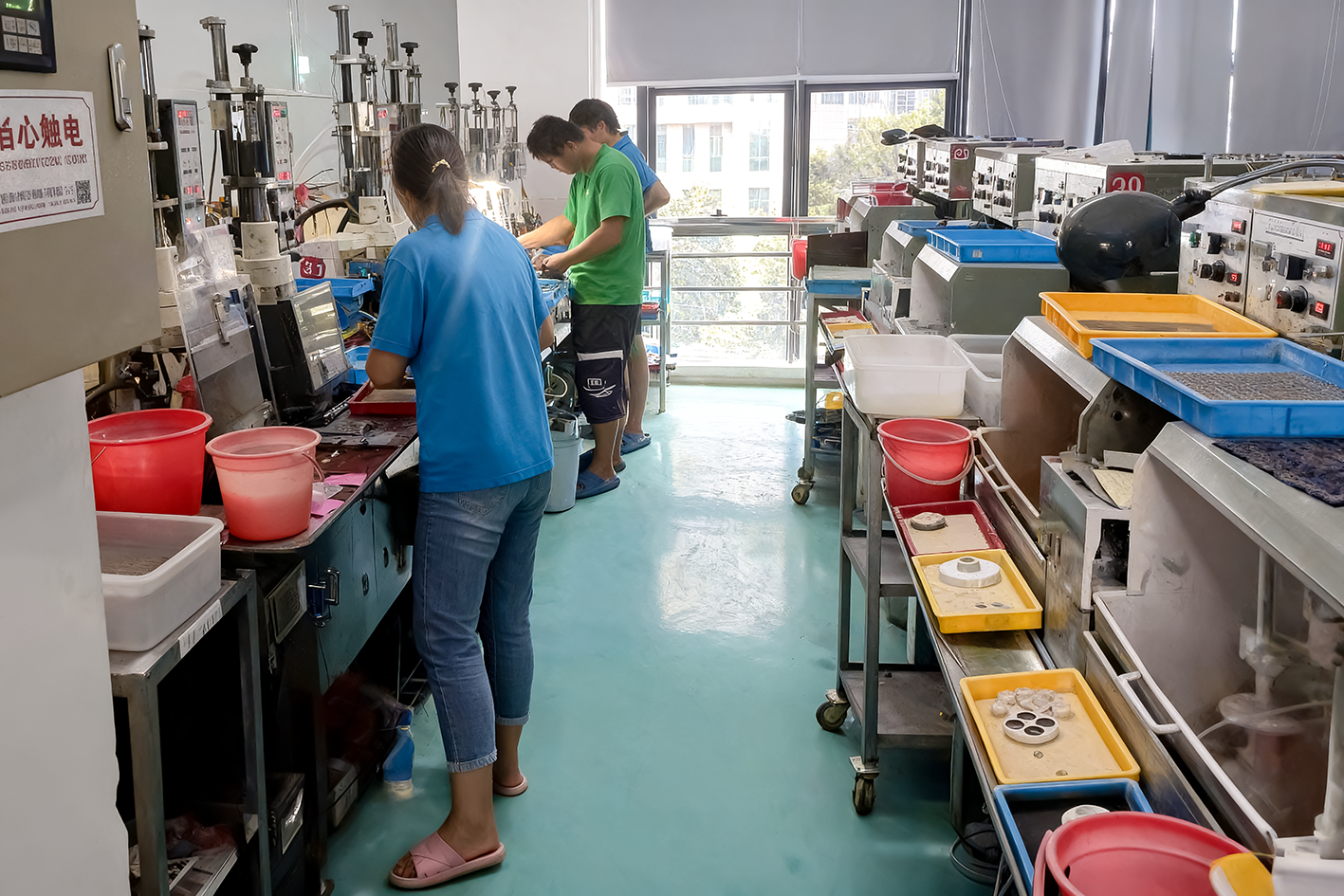
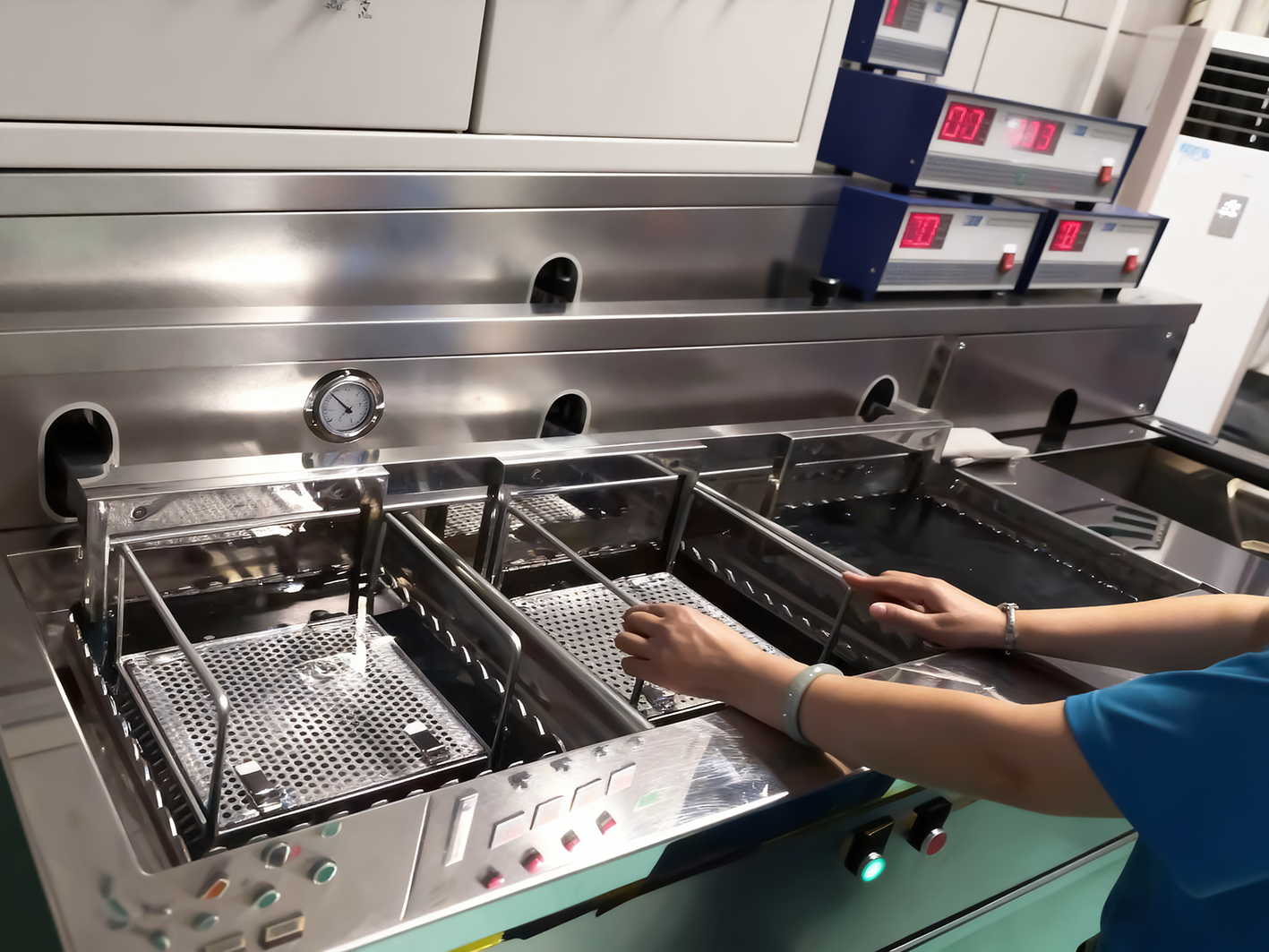
Cleaning Workshop — Controlled and High-Throughput Optical Cleaning
At FIFO, optical components are processed in advanced multi-bath ultrasonic cleaning systems, with multiple stations allowing batch handling and efficient throughput.
Operators oversee several stations simultaneously, ensuring consistent results and maintaining the integrity of delicate optical surfaces.
The cleaning process removes particles, residues, and contaminants while preserving surface quality, supporting downstream coating adhesion and assembly yield.
High cleanliness, controlled results, reliable optical performance.
视频播放失败,请稍后重试
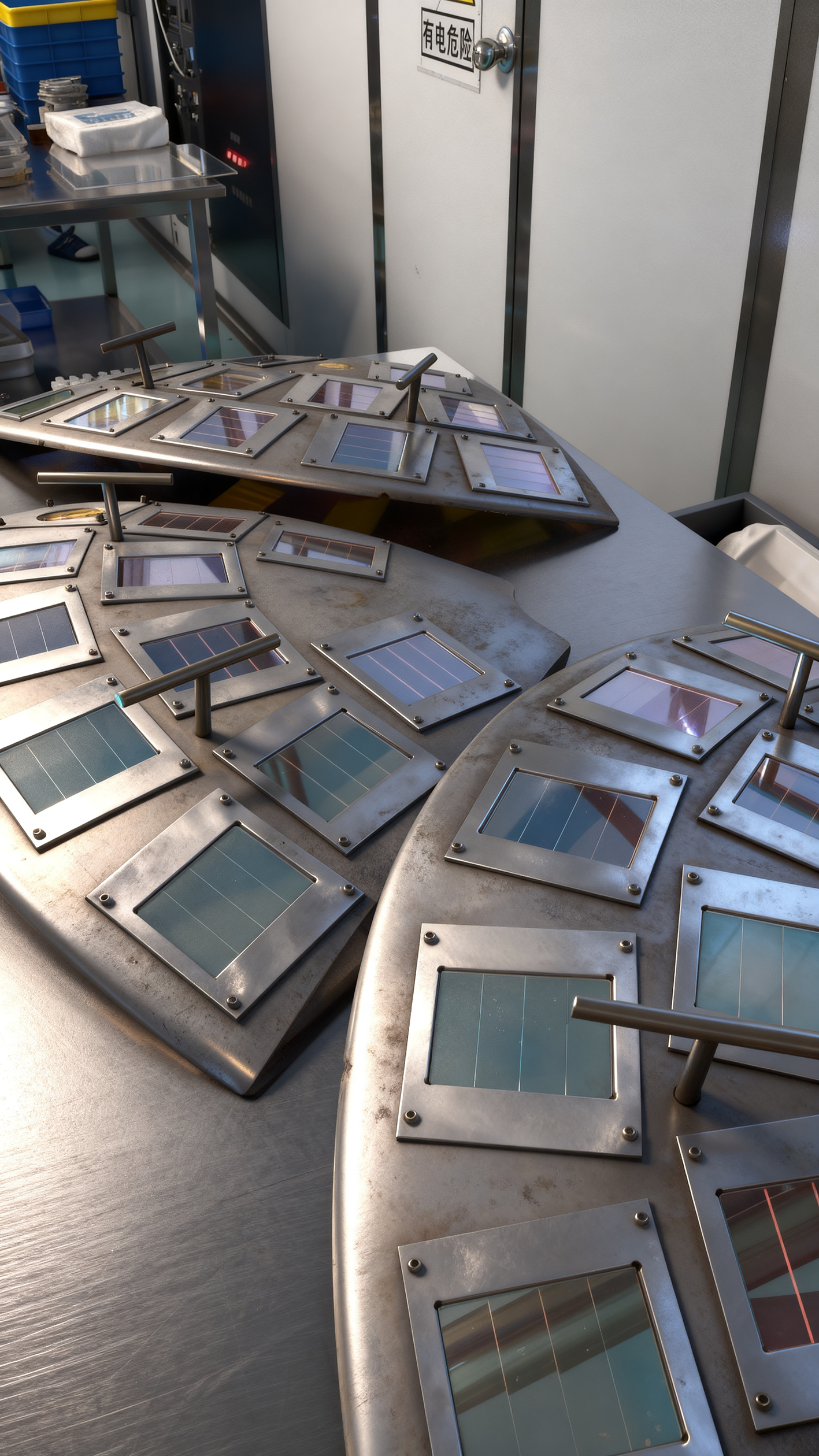
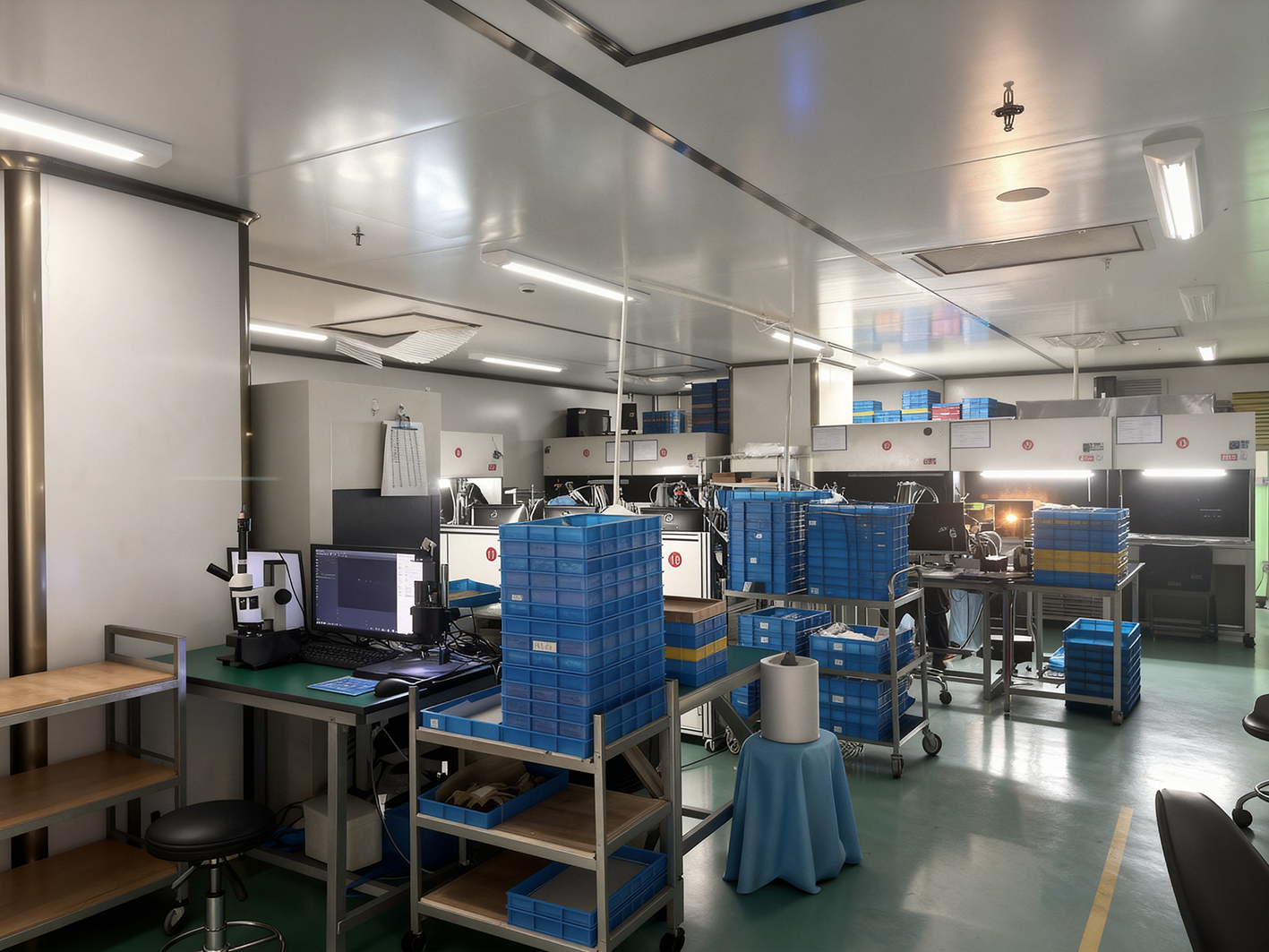
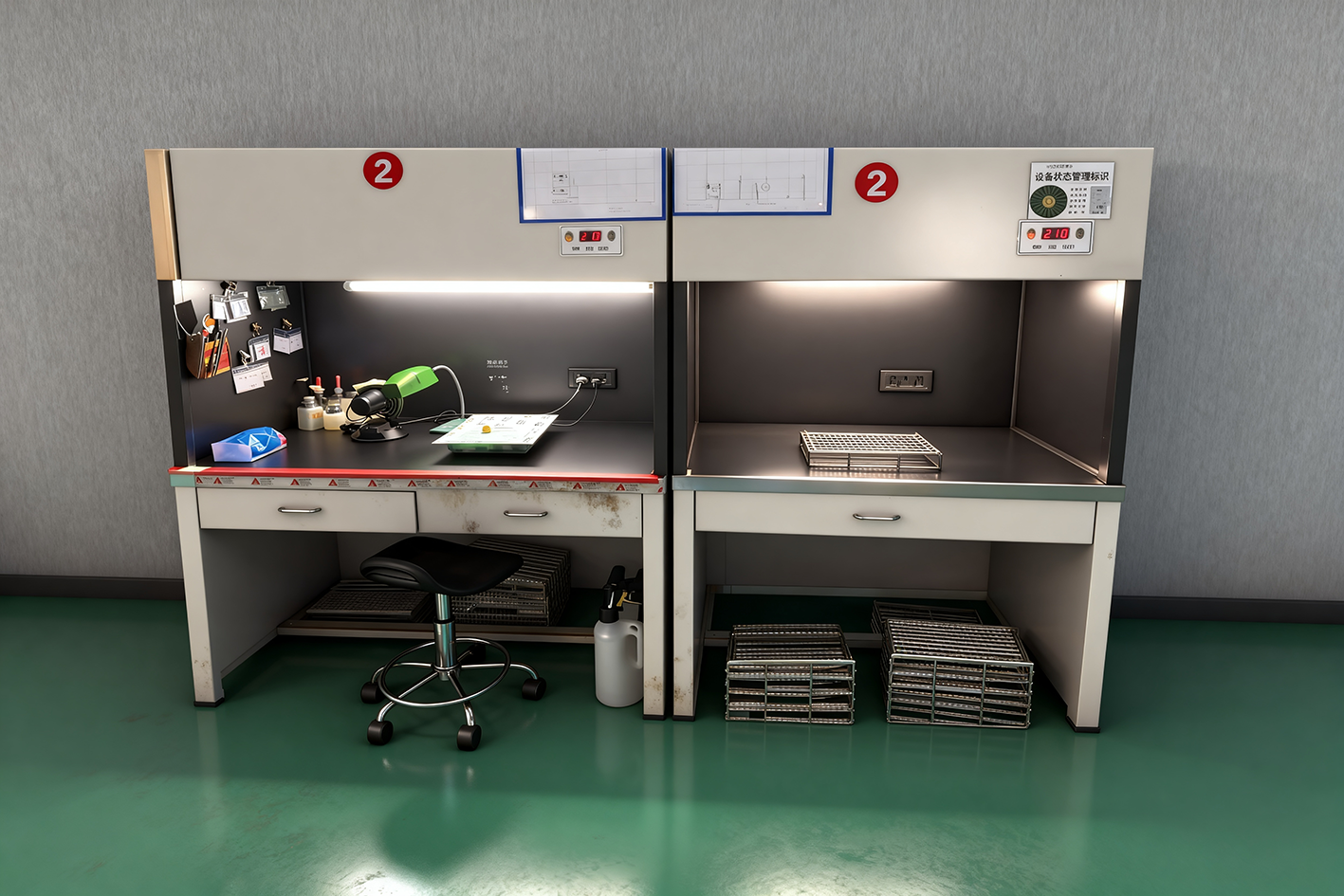
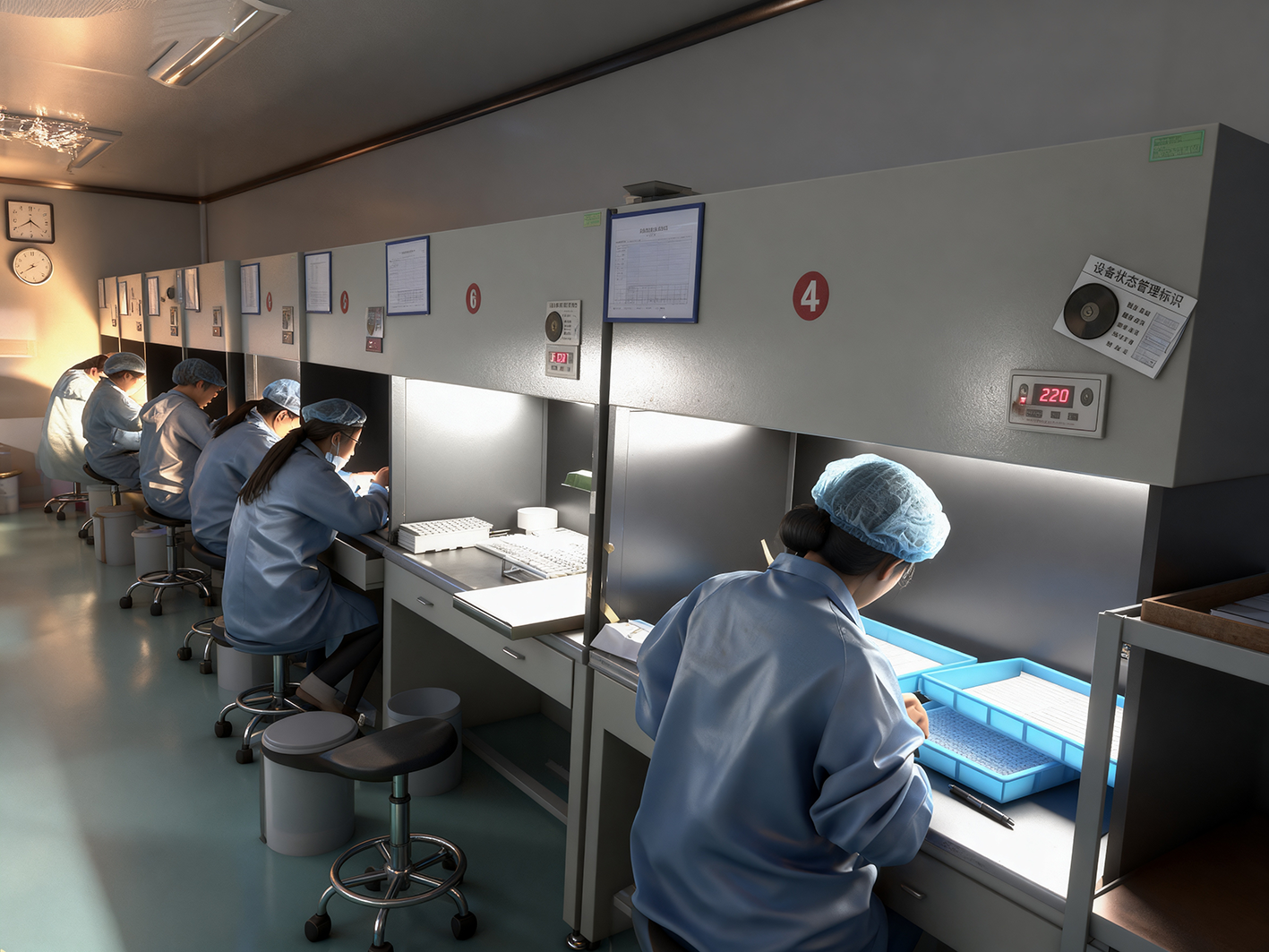
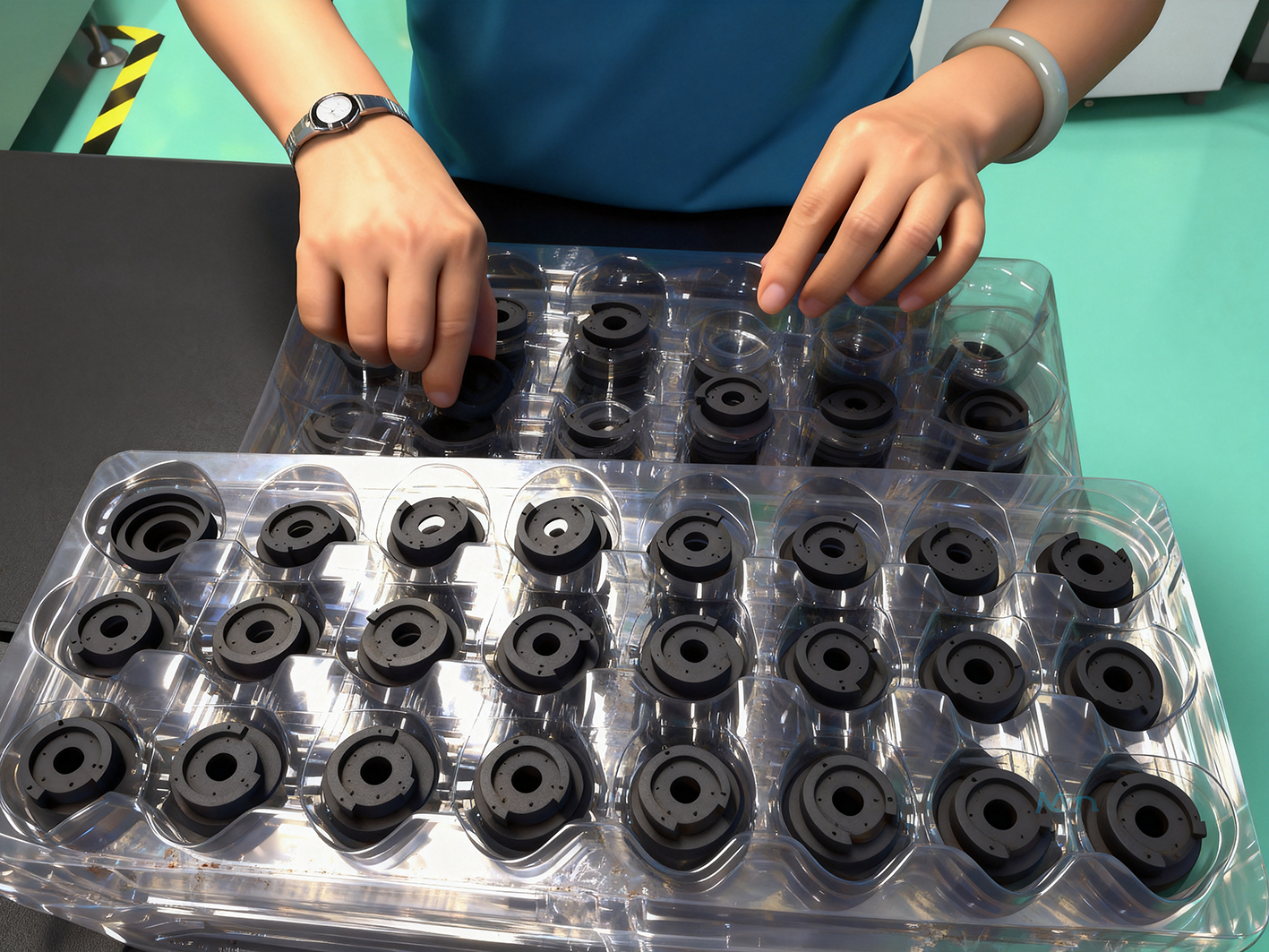
Packaging & Production — Controlled Cleanroom Environment and Humidity Control Are a Must
At FIFO, protecting precision optics requires strictly controlled cleanroom conditions. Our packaging, polishing, and cleaning departments operate under particle-free air, stable temperature, and mandatory humidity control, because any contamination or moisture can compromise optical performance.
Mandatory Cleanroom Standards: ISO Class 5–6 (Class 100–1,000 equivalent) ensures lenses, filters, and assemblies remain contamination-free. Humidity Control: Desiccants are always used in packaging to maintain optimal humidity levels, ensuring sensitive optical surfaces are protected. Packaging Materials: Components are placed in vacuum-sealed bags, blister trays, PVC inserts, foam layers, and paper boxes. Flexible & Consistent Protection: Small prototypes or large production batches all follow the same strict protection standards. Operators & Equipment: Experienced operators work with semi-automated equipment, managing multiple stations while maintaining consistent protection.
Result: Every optical component leaves the cleanroom fully protected, dust-free, humidity-stable, and ready for high-performance use.
Cleanroom control is mandatory. Humidity is strictly managed. Materials are carefully selected. Delivery is reliable.
视频播放失败,请稍后重试
Warehouse Department
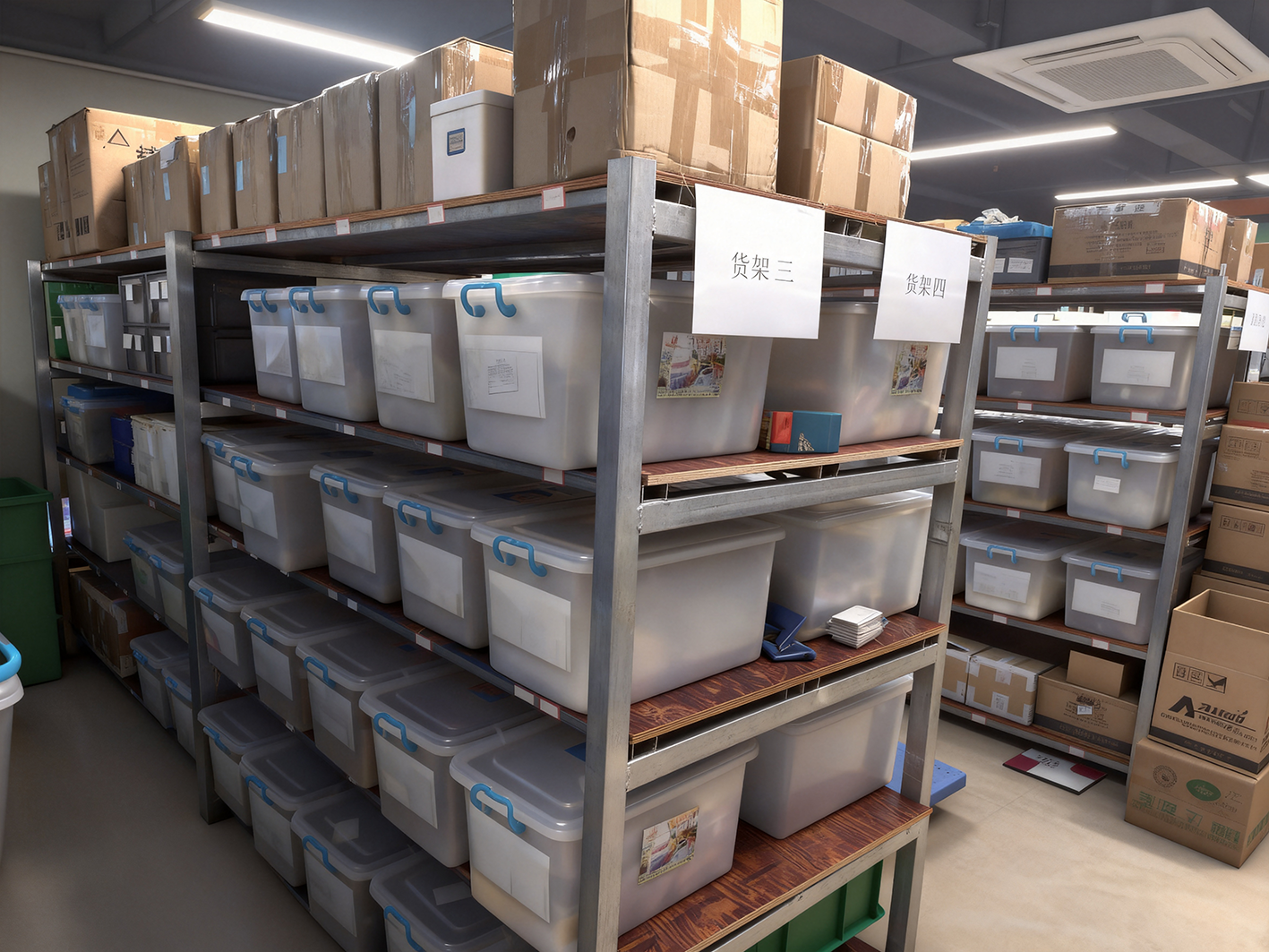
The Warehouse Department is a critical hub in FIFO’s supply chain, ensuring that every optical component and finished product is stored safely and meticulously managed. This is not just storage—it is precision management designed for high-quality optical products.
Environment & Cleanliness
The warehouse maintains a clean, stable environment, which is crucial for delicate optical components. Temperature and humidity are strictly monitored to prevent any damage from moisture. Desiccants are used when necessary to maintain optimal dryness and environmental stability. Dust and airborne particles are tightly controlled, meeting ISO-level cleanroom standards suitable for high-end optical materials.
Storage & Organization
Materials are stored in clearly labeled bins, vacuum bags, bubble pouches, or cartons according to specifications and models. Shelving layouts are optimized for accessibility while protecting delicate components from mechanical damage. Fragile or sensitive optical components are stored separately from standard materials to prevent scratches or contamination.
Materials & Handling
Packaging materials include vacuum bags, blister trays, cardboard boxes, and PVC cases to ensure every product remains intact. Lenses, filters, and assemblies are individually packaged with labels for easy identification and traceability. Regular inventory audits and stock checks are conducted to ensure FIFO management, safeguarding both quality and delivery schedules.
Safety & Efficiency
Warehouse personnel are trained in proper handling and safety procedures for optical components, minimizing risks of contamination, drops, or scratches. The storage layout and operational workflow are optimized to improve retrieval and dispatch efficiency without compromising the protection of components.
In short, FIFO’s Warehouse Department is more than just a storage space—it is a high-precision, high-cleanliness environment where every optical component is carefully protected, ensuring product integrity and superior quality from production and assembly to final shipment.
视频播放失败,请稍后重试
Shipping department : Shipping Department
The Shipping Department staff are a highly experienced team with over a decade of hands-on expertise in handling optical components. They are well-versed in international logistics, customs requirements, and shipping regulations, ensuring each product reaches customers safely and efficiently.
Team Expertise & Customer Support
Our shipping staff provide tailored support to meet customer requirements, helping navigate complex shipping scenarios and ensuring smooth delivery. Their experience allows them to optimize packaging, coordinate with logistics partners, and proactively address potential challenges.
Partnerships with Global Couriers
The team works closely with leading international carriers, including UPS, FedEx, and DHL, to provide reliable, trackable, and secure delivery worldwide. This close collaboration ensures that every shipment is handled efficiently and reaches its destination on time. Secure Packaging & Handling
Every shipment is carefully inspected before dispatch. Packaging is adapted to product type and may include vacuum-sealed bags, blister trays, foam inserts, or reinforced cartons. Special attention is given to delicate optical components to prevent dust, moisture, or impact damage during transit.
Result: Thanks to their expertise, the Shipping Department staff ensure that all optical products are delivered intact, protected, and on schedule, providing customers with peace of mind and reliable service.
视频播放失败,请稍后重试
Service
Contact Us
—
PHONE:(925)234-4868
FAX:(925)892-6228
EMAIL:marketing@fifooptics.com
ADDRESS:4115 Blackhawk Plaza Circle, Suite 100 Danville, CA 94506